
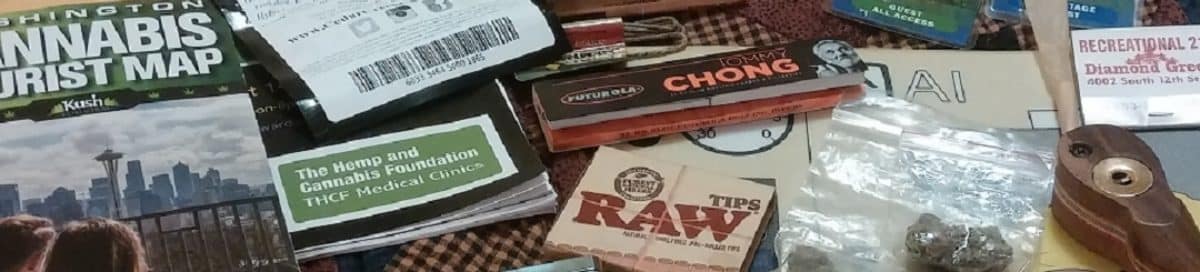
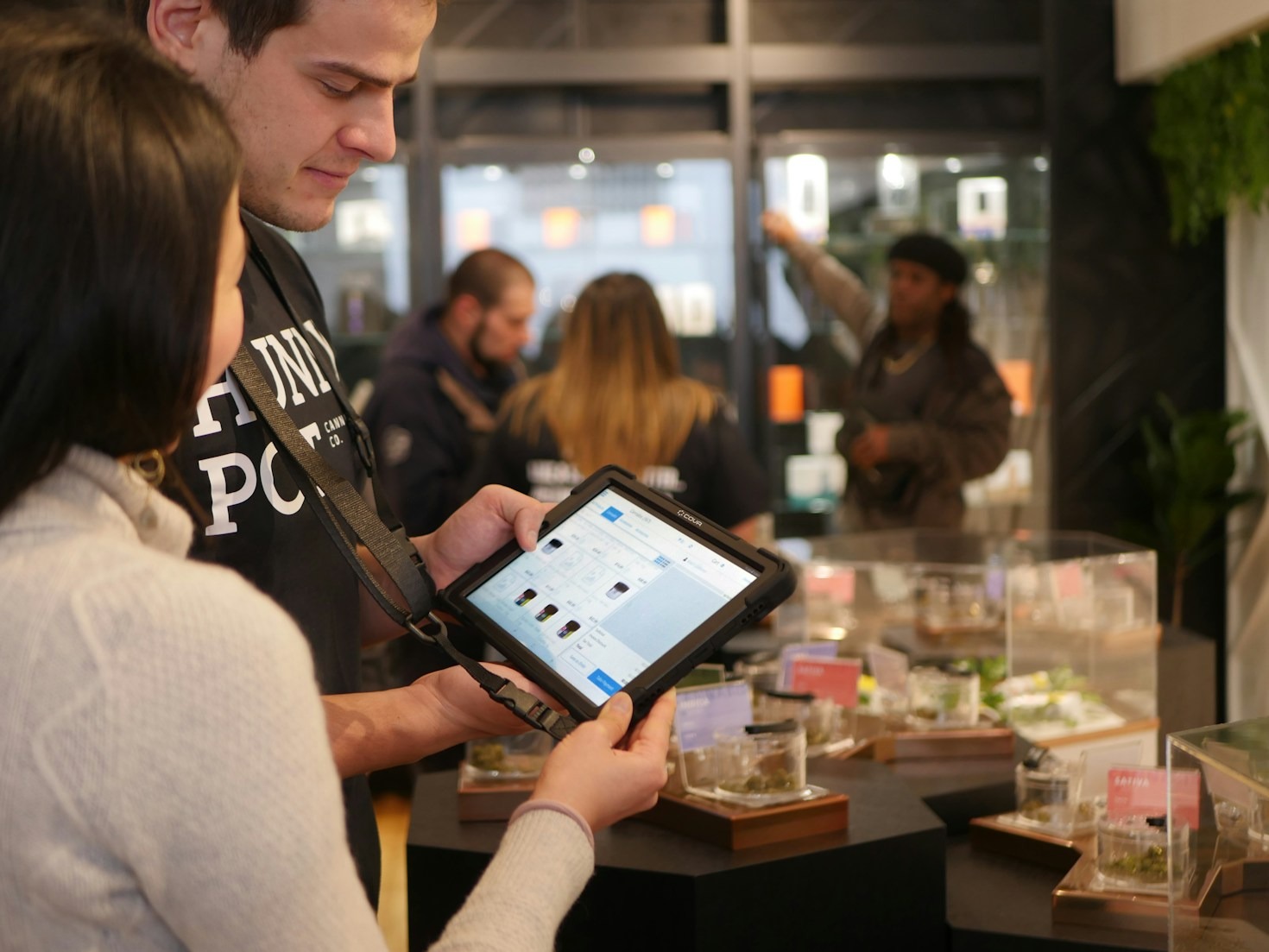
For most of the last fifty years, the American head shop looked the same: a cramped storefront, blacked-out windows, a glass case of pipes and a hand-lettered sign insisting everything was for tobacco use only. That shop still exists. But in many cities it now has company. A new kind of smoke shop has moved onto busy shopping streets and into upscale markets, with designer ceramics, artist-made glass, candles and skincare on the shelves and staff who will talk openly about what they smoke. This is the story of how the head shop grew up, and how to tell a good boutique from the corner shops that cities are now cracking down on.
From five-and-dime to art gallery
The boutique idea has older roots than you might expect. The Cupboard, on Short Vine in Cincinnati’s Corryville neighborhood, started as a five-and-dime and began selling pipes in the 1960s. High Times called it the oldest surviving head shop in America. According to WCPO, the family that runs it helped launch the career of Bob Snodgrass, one of the pioneers of American glass pipe-making, in the 1970s.
By 2018 The Cupboard said it worked with about 1,200 artists and treated its glass as collectible art. One bubbler by the artists LaceFace and Zach Puchowitz was listed at $40,000. Third-generation owner Barry Loshin summed up the shift in one line: selling art is very different than selling a commodity.
A boutique smoke shop sells the same thing a head shop always did. It just stopped apologizing for it.
What makes a smoke shop a boutique

| Traditional head shop | Boutique smoke shop | |
|---|---|---|
| Look | Dim lighting, crowded cases | Bright, gallery-style displays with room to browse |
| Signage | “For tobacco use only” | Open about cannabis where it is legal |
| Products | Mass-produced glass, rolling papers, novelties | Artist-made glass, ceramics, vaporizers, home goods |
| Location | Side streets and strip malls | Shopping districts, markets and hotel corridors |
| Staff | Ring up the sale | Explain materials, artists and how to use each piece |
| Customers | Regular smokers | Smokers, collectors, gift buyers and the curious |
The shops that set the template
Higher Standards, New York, Atlanta and Malibu
Higher Standards was one of the first chains to try the luxury approach in prime retail space. Its flagship opened in Manhattan’s Chelsea Market, followed by Ponce City Market in Atlanta and Malibu Village in California. Atlanta Magazine described glossy counters, Jonathan Adler pieces and Wary Meyers candles, with pipes from $40 glass spoons to a $1,000 rainbow bubbler, and no tobacco-only signs in sight. The Malibu store added work by local ceramic artists and vaporizers from brands including PAX and G Pen, according to a 2020 announcement.
The point wasn’t just to sell nicer pipes. It was to put smoking accessories in the same kind of space as fashion and home goods, and to invite shoppers who would never have walked into a traditional head shop.
Elbo Store, Denver
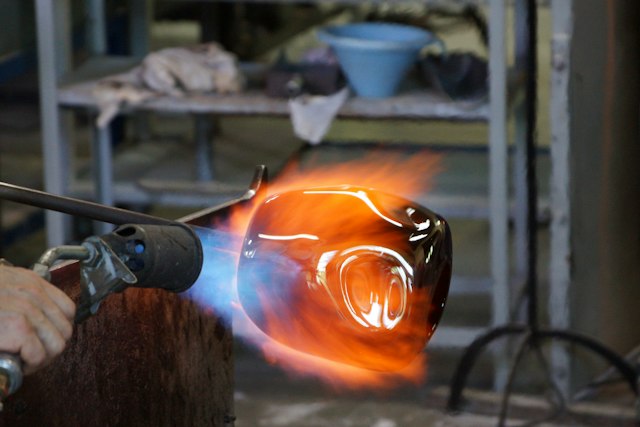
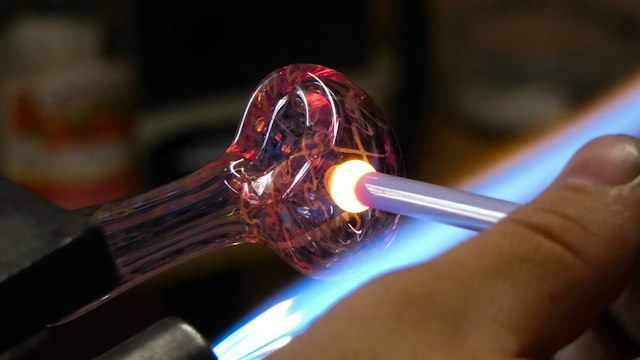
In Denver’s RiNo arts district, glass artist Matt Selbovitz, known as Elbo, opened a shop with a working glass studio inside, so visitors can watch pieces being made at the torch. Westword reported his signature dinosaur pipes selling for about $10,000 to $15,000, with collaborations with other artists reaching $25,000 to $50,000 or more.
Elbo was also frank about the market. He told Westword that prices for lesser-known artists had fallen and drew a direct line between cannabis prices and glass prices. Shoppers have become more educated, he said, and won’t overpay.
YENology, St. Louis area
Boutiques aren’t only a coastal trend. In January 2024, attorney Sarah Glasser opened YENology in Frontenac, Missouri, a suburb of St. Louis. Missouri Green Way described it as a smoking accessory and luxury home goods boutique built around peace and wellbeing, carrying handmade pottery and one-of-a-kind artwork along with accessories from brands such as GRAV and Edie Parker.
The design crowd joins in
Fashion retail has noticed too. The Los Angeles retailer Ron Herman opened a pop-up for Seth Rogen’s Houseplant accessories line at its Melrose store, according to a 2023 StyleSpotting post, treating ashtrays and table lighters as home decor in their own right.
Why boutiques are spreading now
- Legalization moved cannabis into the open. In adult-use states, shops no longer need to pretend a pipe is for tobacco, which frees them to design for the products they actually sell.
- Accessories became a lifestyle category. Ceramic pipes, designer ashtrays and stash boxes are now sold as home goods and gifts, not just tools.
- Heady glass found collectors. Artist-made glass is bought and displayed like any other art, which rewards shops that act like galleries.
- New shoppers arrived. Legal markets brought in people who were never comfortable in a traditional head shop and want somewhere welcoming to start.
- Landlords followed the money. Upscale markets and shopping centers were willing to lease to well-designed shops once legal cannabis became mainstream retail.
The other side: too many smoke shops
The rise of the boutique is happening at the same time as a backlash against the ordinary smoke shop, and the two are easy to confuse.
In New York City, officials estimated in 2024 that about 2,900 unlicensed vendors were operating, many of them selling cannabis illegally from storefronts that called themselves smoke shops, compared with around 60 licensed dispensaries. After the state gave local authorities new padlocking powers that April, the city closed about 700 stores in roughly four months, according to the Associated Press via FOX 5 New York.
Los Angeles faces a related problem with tobacco and vape retailers. The city has more than 3,000 licensed tobacco retailers, and nearly half its public schools have one within 500 feet, according to Councilmember Tim McOsker. In July 2026 the City Council approved a temporary moratorium on new smoke and vape shops in his harbor-area district while permanent rules are written.
For boutique owners, that backlash is a reason to stand apart. A well-run shop is licensed, checks ID, is clear about what it sells and fits into the neighborhood. In cities that are trying to thin out problem shops, those things matter.
What boutique pieces cost
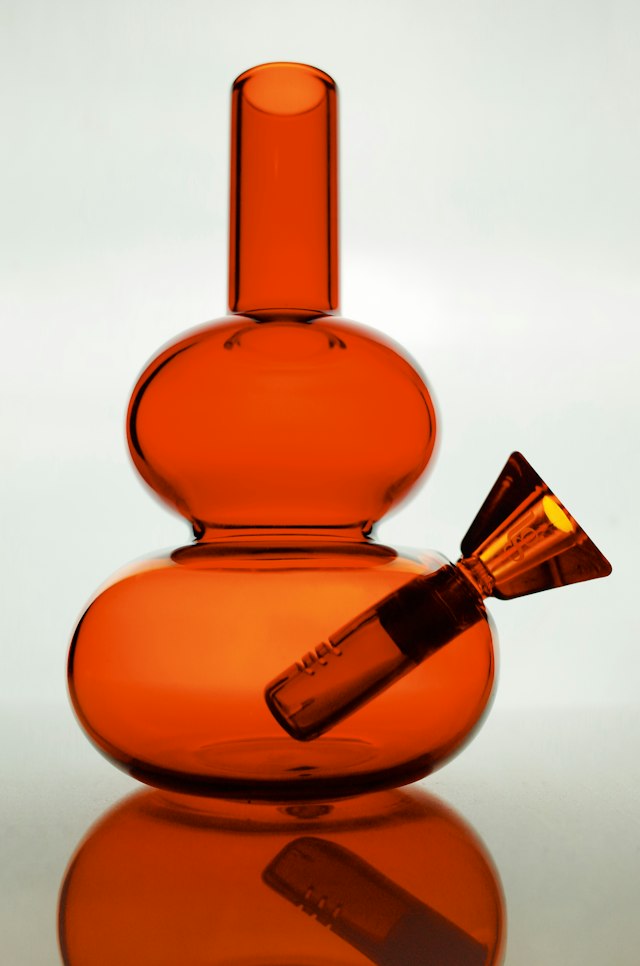
Prices vary enormously. These examples come from the shops above and are a guide to the range, not a price list.
| Item | Example price | Where it was reported |
|---|---|---|
| Glass spoon pipe | About $40 | Higher Standards, Atlanta |
| Designer tray or ceramic canister | About $98 | Higher Standards, Atlanta |
| Artist rainbow bubbler | About $1,000 | Higher Standards, Atlanta |
| Limited-edition artist pipe | About $1,500 | The Cupboard, Cincinnati |
| Signature heady glass piece | $10,000 to $15,000 | Elbo Store, Denver |
| Artist collaboration | $25,000 to $50,000 or more | Elbo Store, Denver |
How to spot a good boutique smoke shop
- They check ID. A reputable shop sells only to adults 21 and older and asks every time.
- They sell accessories, not unlicensed cannabis. In most states only licensed dispensaries can sell THC products. A smoke shop selling flower or vapes over the counter is a red flag. Find licensed shops in our Dispensaries by State directory.
- They know their glass. Staff should be able to tell you who made a piece, what it is made of and how to care for it.
- Prices are clear. Look for marked prices, receipts and a stated return policy, especially for expensive pieces.
- They respect the neighborhood. Good shops don’t market to kids or fill windows with flashy vape ads.
- They help with care. Ask about cleaning. Good glass deserves it, and our guide on How to Clean Your Bong covers the basics.
Wrapping Up with Key Insights
The boutique smoke shop is what happens when a long-hidden business is finally allowed to be seen. It borrows from art galleries, design stores and coffee shops, and it treats glass, ceramics and accessories as objects worth displaying. At the same time, cities are clamping down on the flood of ordinary smoke shops, which makes a licensed, well-run boutique stand out even more.
If you’re shopping for a first good piece, take your time, ask about the artist and buy something you’ll enjoy looking at. Then learn to use it well with How To Smoke From A Bong, and pair it with something worth smoking from The Evolution of Craft Flower.
Keep reading: A Beginner’s Guide to Exploring Modern Consumption Lounges and Top Dispensaries Worth Visiting on Your Next Cross-Country Trip. And remember that cannabis can’t legally travel across state lines; see our guide to interstate cannabis laws.
This article is general information for adults 21 and older. Shops profiled here are drawn from published coverage, some from earlier years, and may have changed or closed. Confirm details before you visit. We have no commercial relationship with the businesses named.
Sources
- The Cupboard: how a Corryville head shop turned into an art gallery, WCPO, October 2018
- Ponce City Market’s Higher Standards, a high-end smoke shop, Atlanta Magazine
- Higher Standards opens luxury lifestyle retail concept in Malibu, January 2020
- Elbo’s new Denver store, Westword
- YENology luxury smoking accessories boutique opens in Frontenac, Missouri Green Way, January 2024
- Trending: high design, designer and vintage ashtrays, StyleSpotting via Easily Entertained, April 2023
- NYC’s latest crackdown on illegal weed shops is finally shutting them down, AP via FOX 5 New York, July 2024
- Moratorium approved on new smoke and vape shops in Council District 15, Los Angeles City Council District 15, July 2026