
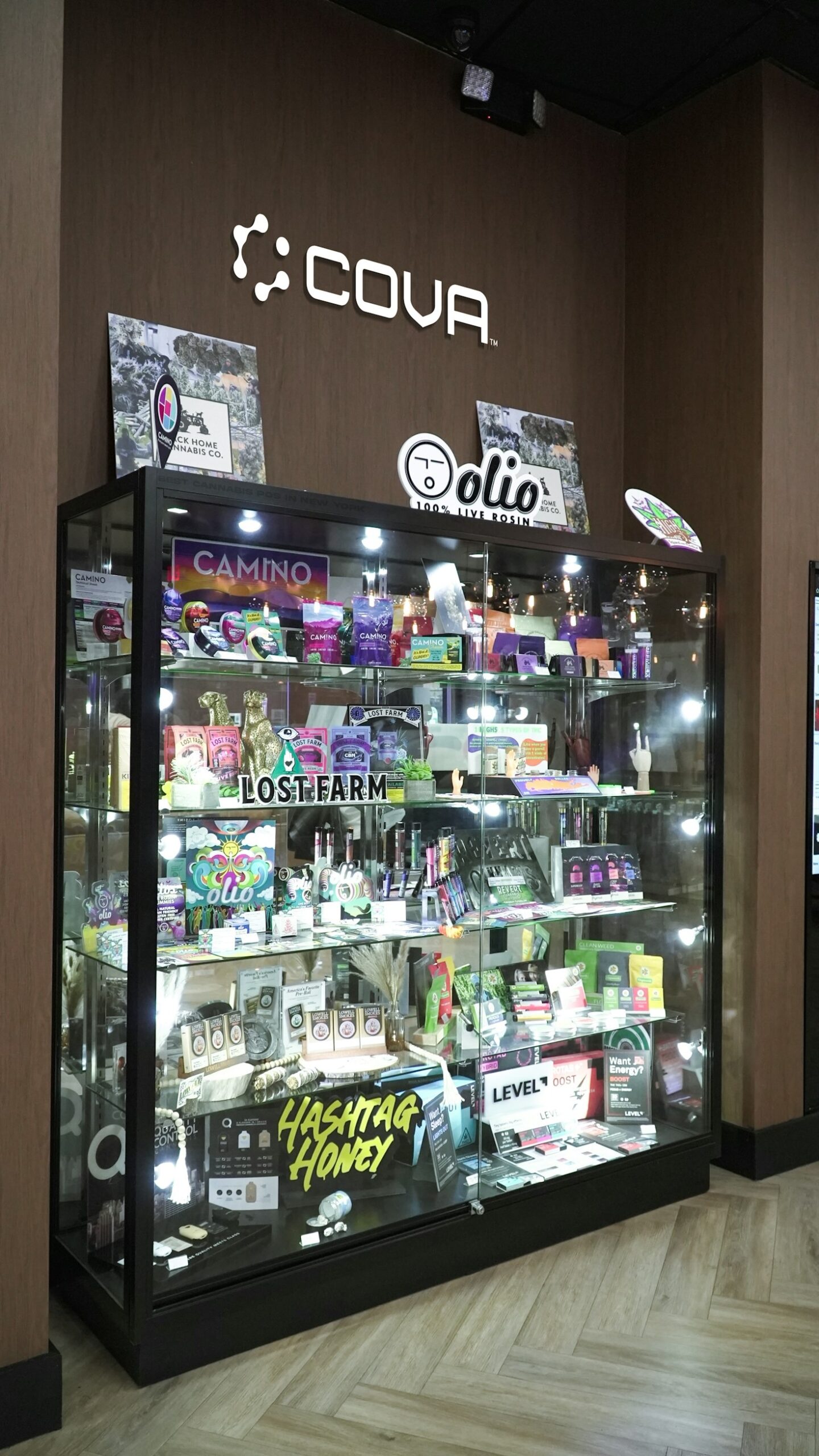
Walk into almost any dispensary in 2026 and the shelves look the same: big brands, big bags, big THC numbers. Look closer and you’ll find a second tier of jars from growers you may not have heard of, harvested a few pounds at a time and sold out within weeks. That is craft flower. It grew out of the legacy farms of Northern California, and it is now turning up in Colorado, Oregon, Massachusetts and New York. Here is how it got here and eight small-batch growers worth knowing.
One note before the list. Craft flower is sold only in the state where it is grown, because cannabis can’t legally cross state lines. If a farm below catches your eye, you’ll need to be in its home state to try it.
The growers at a glance
| Grower | Home state | Style | Why watch |
|---|---|---|---|
| Huckleberry Hill Farms | California | Sungrown | Second-generation Humboldt farm with its own family genetics |
| Rebel Grown | California | Sungrown | Won Best Sungrown Flower at the 2023 Emerald Cup |
| Mendo Dope | California | Sungrown, living soil | Took Best in Show at the 2024 Emerald Cup with a personal-use entry |
| Fig Farms | California | Indoor | Breeder-led indoor grow with a 2023 Emerald Cup Best in Show |
| Meraki | Colorado | Indoor | Works from about 25 mother plants and revived Sour Diesel |
| Single Source | Colorado | Indoor | Flower and rosin made from the same hard-to-find strains |
| East Fork Cultivars | Oregon | Sungrown, organic | A 10-acre family farm focused on high-CBD flower |
| Ideal Craft Cannabis | Massachusetts | Indoor | Social equity grower with a first-place NECANN Cup win |
How craft flower got here
For decades, all cannabis was small batch. Growers in the hills of Humboldt, Mendocino and Trinity counties, the region known as the Emerald Triangle, worked small plots and kept seeds that performed well. Many of the strain names on menus today trace back to those gardens.
Legalization changed the math. Large licensed operators could grow at a scale no hillside farm could match, and prices fell. The Nation reports that California wholesale prices collapsed in 2021 to around $300 a pound, less than it cost many farmers to produce, and that one large company now holds more cultivation licenses than all the permitted grows in Humboldt County combined.
Craft growers responded the way craft brewers once did. They stopped competing on price and volume and started competing on flavor, genetics and story. The result is a category built around small harvests, careful drying and curing, and strains you can’t get from anyone else.
Craft flower isn’t defined by the size of the farm. It’s defined by how many decisions are still made by hand.
What the label terms mean
Craft has no legal definition, so the words on the jar matter. These are the ones you’ll see most often.
| Term | What it means |
|---|---|
| Small batch | A limited harvest from one room or one plot, tracked and cured as a single lot |
| Sungrown | Grown outdoors under full sun, usually one harvest a year |
| Mixed light | Greenhouse-grown, using sunlight with some added light or light deprivation |
| Indoor | Grown under artificial light with full control of climate |
| Living soil | Soil kept biologically active with compost and microbes instead of bottled nutrients |
| Pheno hunt | Growing many seeds of one cross to find the single best plant to keep |
| Hand-trimmed | Leaves removed by hand, which protects the resin on the flower |
| Slow cure | Flower dried and aged over weeks to preserve aroma and smoothness |
How we picked these growers
We looked for growers with a record someone else has verified: a major competition result, a recognized certification, or coverage from an established cannabis publication. We favored farms that breed or select their own genetics and that say plainly how they grow. Availability is limited by design, so treat this as a list of names to look for, not a shopping guarantee.
1. Huckleberry Hill Farms, Southern Humboldt, California
Johnny Casali has farmed the same land between Briceland and Whitethorn since childhood. According to Fat Nugs Magazine, he moved there with his family in 1976, later served eight years in federal prison for growing cannabis, and returned to farm legally. He runs the farm today with Rose Moberly.
The flower to look for is Whitethorn Rose, a cross of Lemon OG and Paradise Punch. Paradise Punch was developed by Casali’s mother, which makes this one of the few strains on any shelf with a two-generation family history.
- How they grow: sungrown, watered with stored rain and snowmelt. The farm is Sun+Earth Certified and is described as the first in California certified Fish Friendly.
- Look for: Whitethorn Rose.
2. Rebel Grown, California
Rebel Grown is a breeder-led sungrown farm that proved outdoor flower can beat the field. At the 2023 Emerald Cup, its Double OG Chem #15 won Best Sungrown Flower and the Sungrown Breeder’s Cup, as Leaf Magazines reported.
- How they grow: full sun, from genetics bred in-house.
- Look for: Double OG Chem #15.
3. Mendo Dope, Emerald Triangle, California
The biggest upset in recent Emerald Cup history came in 2024, when Mendo Dope’s Headies won Best in Show. It was the first time an entry from the personal-use category took the top prize, and GreenState reported that the judges were unanimous. The same flower posted the highest terpene content in the competition.
The story behind the plant is personal. The strain came from a cut grown by a childhood friend of the growers who has since died, and it was first known by his name.
- How they grow: sungrown in living soil.
- Look for: Headies, distributed in California through Redwood Roots.
4. Fig Farms, California
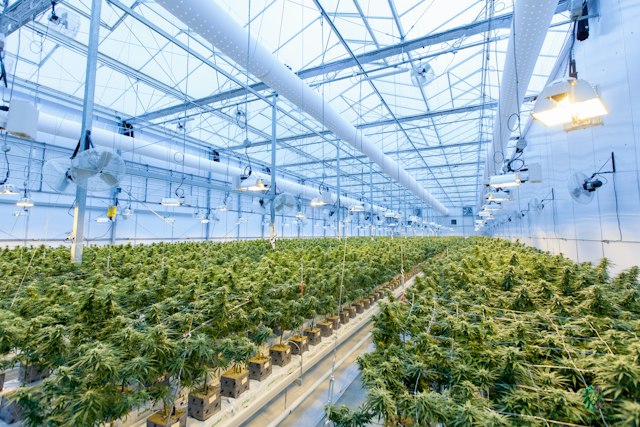
Craft isn’t only an outdoor idea. Fig Farms was founded in 2016 by Keith and Chloe Healy, legacy farmers and breeders, and has built its name on pheno hunting: growing out large numbers of seeds to find one exceptional plant. Cannabis Business Times notes that its Animal Face was hunted from seed and that Holy Moly! was bred in-house from Banana Fig and Animal Mints.
The approach paid off at the 2023 Emerald Cup, where Blue Face won Best Indoor Flower and overall Best in Show, according to Leaf Magazines.
- How they grow: indoor, with in-house breeding and selection.
- Look for: Blue Face, Animal Face and Holy Moly!
5. Meraki, Boulder area, Colorado
Meraki launched in 2022 and stays deliberately small. Westword reports that founders Phil Halpern and Matt DenBleyker work from about 25 mother plants, a tiny library by commercial standards. They are known for bringing back Sour Diesel, a classic that many large growers dropped because it is slow and difficult.
- How they grow: indoor, with a short, curated strain list.
- Look for: Sour Diesel, Lemonhead Delight and Donny Burger.
6. Single Source, Denver, Colorado
Single Source is run by two growers and a hash maker, and the name describes the model. Per Westword, the rosin is largely made from the same strains the company sells as flower, so you can try one plant two ways. The team has a reputation for growing strains that are hard to find anywhere else.
- How they grow: indoor, with flower and solventless rosin from the same harvests.
- Look for: Papaya Cake, Strawberry 2.1 and Loompa’s Headband.
7. East Fork Cultivars, Takilma, Oregon
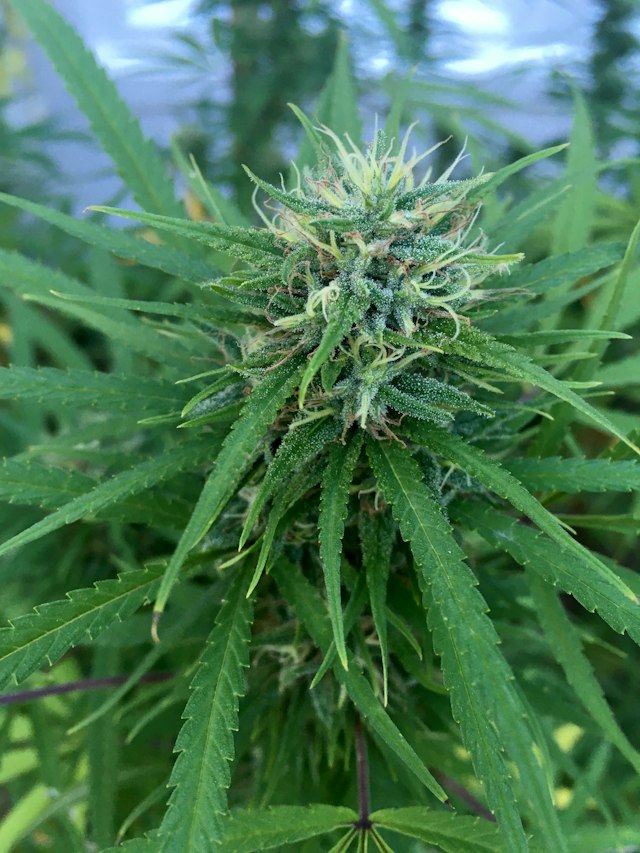
While most of the market chases THC, East Fork went the other way. Its Leafly brand page describes a 10-acre family farm in Southern Oregon’s Illinois Valley that specializes in high-CBD cannabis, all sungrown and all organic. It is a good name to know if you want flavor and a gentler effect.
- How they grow: sungrown and organic, with companion planting. The farm is listed as Clean Green Certified.
- Look for: CBD-rich flower and pre-rolls such as ACDC and Wesley’s Wish.
8. Ideal Craft Cannabis, Massachusetts
On the banks of the Blackstone River near the Rhode Island line, Ideal Craft Cannabis is one of the few fully vertical social equity companies in Massachusetts, according to an Apex Trading profile. It grows specialty genetics in small batches and packs orders to order. Its Jokerz took first place for indica flower at the 2023 NECANN Cup in Boston.
- How they grow: indoor, small batch, packed to order.
- Look for: Jokerz.
One more to watch: New York microbusinesses
New York may be where the next wave of craft growers comes from. The state created a microbusiness license that lets one small operator grow, process, distribute and sell its own cannabis. High Times quotes one buyer calling it the first license in the country built for small, independent operators, and reports that some retailers now buy from these growers on cash-on-delivery terms to help them stay afloat.
Names appearing at New York buyer events this year include Hudson Valley Jane, Hurley Grown, Forest Flower Cannabis and Lazy Day Farmers. They are new and small, which is the point.
How to shop for craft flower
- Check the harvest date. Fresh matters more than THC. Look for flower packaged within the last few months.
- Read past the THC number. Terpene content tells you more about flavor and effect. Many craft growers print it on the label.
- Ask who grew it. A good budtender can name the farm and how it grows. If the answer is vague, it probably isn’t craft.
- Buy small first. Start with a gram or an eighth. Batches vary, and that is part of the appeal.
- Look for certifications. Sun+Earth and Clean Green are independent programs that check farming practices.
- Store it well. Keep the jar sealed, cool and out of the light, and finish it within a few weeks of opening.
Wrapping Up with Key Insights
Craft flower started as the only kind of cannabis there was, nearly disappeared under the weight of the legal market, and has come back as its own category. The growers here take different routes, from a hillside in Humboldt to a small room outside Boulder, but they share the same idea: fewer plants, more attention and a strain worth remembering.
Small farms survive when people ask for them by name. Next time you’re at the counter, skip the biggest number on the menu and ask what came in from a small grower this week.
Keep reading: Understanding Terpenes and How They Shape Your Daily Routine, and Top Dispensaries Worth Visiting on Your Next Cross-Country Trip. To find a shop near a farm on this list, use our Dispensaries by State directory, and check interstate cannabis laws before you travel.
This article is general information for adults 21 and older. We have no commercial relationship with the growers listed. Awards and details are drawn from the published sources below, some from earlier years, and product availability changes with every harvest.
Sources
- California’s small cannabis farmers and legalization, The Nation, August 2025
- A Ganjier review of Whitethorn Rose, grown by Huckleberry Hill Farms, Fat Nugs Magazine
- Emerald Cup 2023 awards coverage, Leaf Magazines
- The Emerald Cup at 20, Leaf Magazines
- Underdog fan favorites shock Emerald Cup, take top prize, GreenState, August 2024
- Fig Farms wins indoor flower and Breeder’s Cup at the Emerald Cup, Cannabis Business Times
- Best craft cannabis growers available in Denver dispensaries, Westword
- East Fork Cultivars brand page, Leafly
- Ideal Craft Cannabis profile, Apex Trading, September 2023
- New York microbusinesses could save legal weed, High Times, May 2026