


Edibles are the easiest way to try cannabis and the easiest way to have a bad time with it. There’s no smoke, no gear and no smell, just a gummy or a square of chocolate. The catch is timing. An edible can take an hour or more to start working, and many people take a second piece because they think the first one failed. This guide matches edibles to your experience level, explains how to read a label, and covers the habits that keep the experience pleasant.
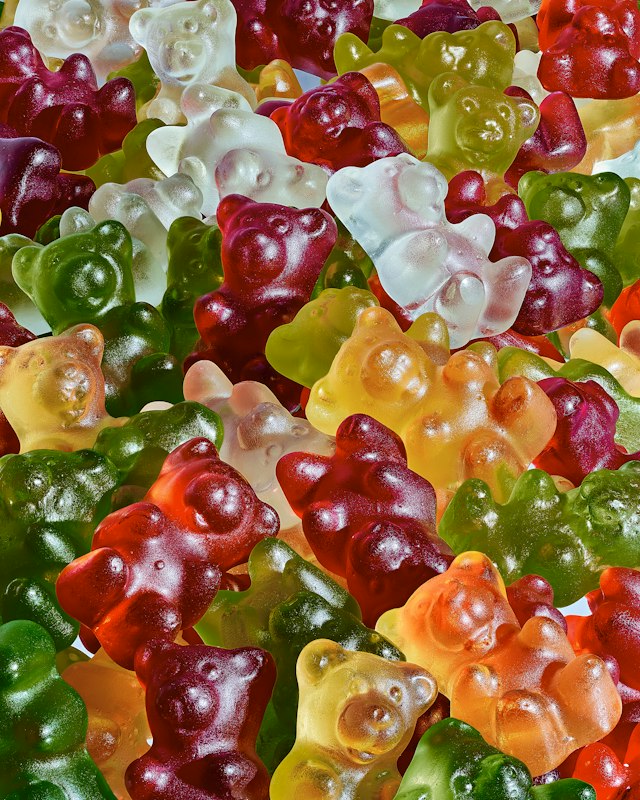
The short version: start with a small dose, wait a full two hours before taking more, and keep everything locked away from children and pets.
Why edibles hit differently
When you smoke or vape, THC goes through your lungs into your bloodstream within minutes. When you eat it, it travels through your digestive system and your liver first. The liver converts part of the THC into a related compound, 11-hydroxy-THC, which many people find feels stronger. That is why the effects of an edible start later, feel heavier and last much longer than a joint with the same amount of THC.
Doctors at UCHealth studied nearly 10,000 cannabis-related emergency room visits in Colorado from 2012 to 2016, in research published in the Annals of Internal Medicine. Edibles accounted for about 11% of those visits, far more than their share of sales would predict. Patients who had eaten cannabis more often had anxiety, panic and racing hearts. Lead author Dr. Andrew Monte pointed to people stacking doses because they did not feel anything at first.
With edibles, the dose you take is less important than the time you wait.
The 5 mg benchmark
In 2021 the National Institutes of Health set 5 milligrams of THC as a standard unit for cannabis research, so studies could compare doses. It isn’t a consumer recommendation, but it is a useful yardstick. Think of 5 mg as one standard serving, the way people think of a standard drink. Many states cap a single serving of an adult-use edible at 10 mg, so a typical gummy from a dispensary is one or two standard units.
Choosing by experience level
Use this as a starting point and adjust from there. Body weight, what you’ve eaten, medications and your own metabolism all change how a dose feels.
| Your experience | Starting dose | What to look for | What to expect |
|---|---|---|---|
| Never tried cannabis | 1 to 2.5 mg THC | Microdose gummies or mints; products with equal or more CBD than THC | A light mood lift or mild relaxation. Some people feel very little. |
| Tried it a few times | 2.5 to 5 mg THC | Single-serve 2.5 or 5 mg pieces | Noticeable but manageable effects for several hours |
| Occasional user | 5 to 10 mg THC | Standard 5 to 10 mg gummies or chocolates | A clear high that lasts much of an evening |
| Regular user | 10 mg and up, increased slowly | Higher-dose products, often from medical programs | Strong effects. Tolerance from smoking does not fully carry over to edibles. |
| Returning after a long break | Treat yourself as a beginner | The same as a first-timer | Tolerance fades. Start low again. |
If you regularly smoke but rarely eat cannabis, start in the second or third row, not the fourth. A comfortable joint doesn’t tell you much about how your body handles an edible.
Picking the right type of edible
| Type | Dosing control | Good to know |
|---|---|---|
| Gummies | Excellent. One piece is one dose. | The most popular format. Easy to mistake for candy, so store them carefully. |
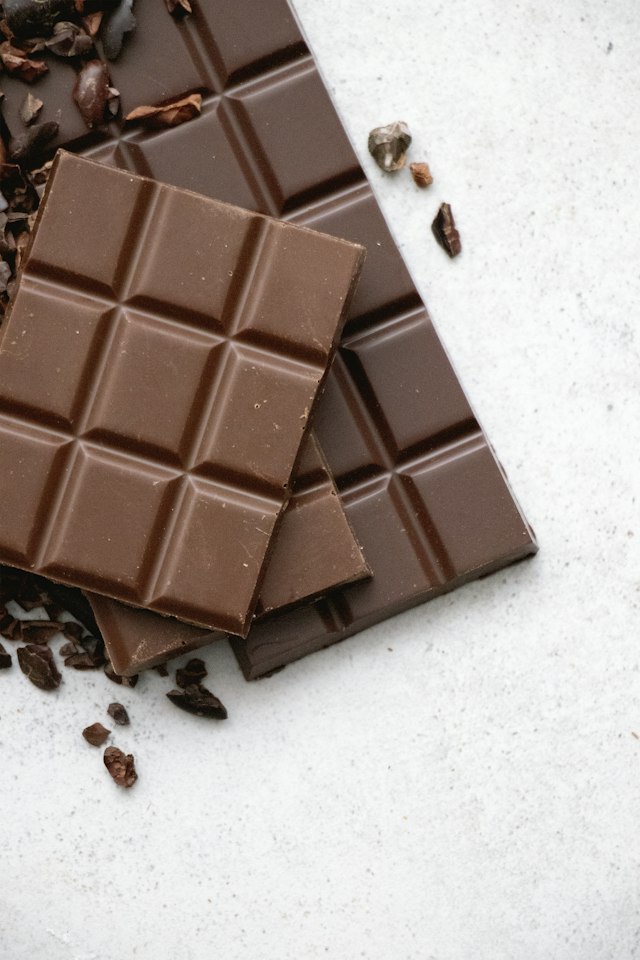
| Chocolates | Good. Bars are scored into squares. | Check whether the label gives the dose per square or per bar. |
| Mints and tablets | Excellent. Often 1 to 5 mg each. | Small doses make them a good choice for beginners. |
| Drinks | Good when sold as single servings | Some people report feeling them sooner than food. Sip slowly anyway. |
| Tinctures | Precise with the dropper, once you learn it | Drops held under the tongue may act sooner than food. |
| Baked goods | Poor. THC can be uneven through a homemade batch. | Avoid homemade edibles until you know your dose. |
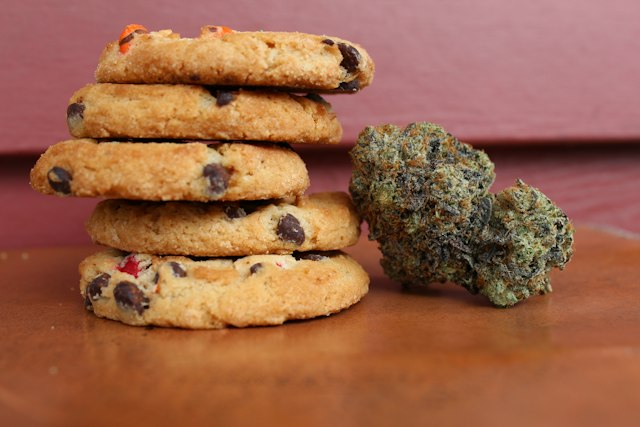
For a first time, choose a format where one piece equals one known dose, such as a gummy, mint or single-serve drink. Leave brownies and cookies for later, especially homemade ones, where you can’t know how much THC is in each bite.
How to read an edible label
- THC per piece, not just per package. A package might say 100 mg. That is the whole bag, not one gummy.
- The CBD ratio. Products labeled 1:1 or 2:1 contain CBD along with THC, which many beginners find gentler. See What Is CBD.
- Licensed and lab-tested. Dispensary products carry a state license number and lab results. Gas station and online products often do not.
- Serving size. Confirm whether one serving is one piece, half a piece or a few drops.
- Ingredients and allergens. Check for sugar, gelatin, nuts and dairy, as with any food.
- Expiration date. THC breaks down over time, so old edibles can be weaker than the label says.
The first-time routine
- Pick a free day. Choose an evening or weekend with nothing to do and nowhere to drive.
- Eat a light meal first. Food in your stomach can make the onset steadier.
- Take one small dose. One microdose piece or half a standard gummy.
- Set a two-hour timer. Do not take more until it goes off, even if you feel nothing.
- Skip alcohol. Mixing the two makes it far easier to feel sick.
- Have water and snacks ready. Get comfortable with a show or music you know.
- Write it down. Note the product, the dose and how you felt. Next time, adjust by small steps.
If you want company the first time, a licensed cannabis cafe or lounge can be a good setting, with staff who know the products. See A Beginner’s Guide to Exploring Modern Consumption Lounges.
If you took too much
It happens, and it passes. Cannabis alone very rarely causes life-threatening harm in healthy adults, but too much can be deeply unpleasant.
- Remind yourself it is temporary. The effects will fade, usually within several hours.
- Find a calm, safe place. Dim the lights, sit or lie down and slow your breathing.
- Drink water and eat something. A snack can help you feel grounded.
- Have someone stay with you. A sober friend can help a lot.
- Get medical help for chest pain, trouble breathing, fainting or severe confusion, or if you are worried. You can also call Poison Control at 1-800-222-1222.
Keep them away from kids and pets
This part is not optional. a study of U.S. poison center calls, reported in September 2026, found more than 41,000 accidental recreational drug ingestions among U.S. children under 6 from 2000 to 2024. The rate rose more than 3,300%, driven mainly by cannabis edibles. Most children had mild or no effects, but about 5% had serious symptoms and six died, all under the age of 3.
- Store edibles in the original child-resistant packaging, inside a locked box if you have children at home.
- Keep them out of purses, backpacks, pantries and the fridge, where they look like any other snack.
- Don’t eat edibles in front of young children, who copy what adults do.
- Dogs are also highly sensitive to THC. Call your vet if a pet gets into your stash.
Dispensary edibles versus hemp gummies
You may have seen THC gummies for sale at gas stations, smoke shops or online. Most are hemp-derived, sold under a federal loophole, and they are often not tested to the standards of a licensed dispensary. That loophole is closing. According to Foley Hoag, a federal limit of 0.4 mg total THC per container is scheduled to take effect on December 11, 2026, which would make most of these products illegal. For predictable dosing, buy from a licensed shop. Find one in our Dispensaries by State directory.
And remember that edibles bought in one state can’t legally travel to another. See Navigating Interstate Cannabis Laws.
Wrapping Up with Key Insights
Edibles reward patience. Choose a product where one piece is a known dose, start at the low end for your experience, and give it a full two hours. Keep a simple record, adjust in small steps, and store everything well out of reach of kids and pets.
Get those basics right and edibles become what most people hoped for: a smoke-free, predictable way to enjoy cannabis. To learn more about what you’re eating, read What Is THC and Understanding Terpenes and How They Shape Your Daily Routine.
This article is general information for adults 21 and older and is not medical advice. Talk to a doctor before using cannabis if you are pregnant, take prescription medication or have a heart or mental health condition.
Sources
- Establishment of a standard THC unit to be used in research, National Institutes of Health, May 2021
- Marijuana-related ER visits rising dramatically, edibles sparking particular concerns, UCHealth, March 2019
- Cannabis edibles linked to sharp rise in accidental poisonings among children, NBC Palm Springs, September 2026
- A temporary reprieve for hemp-THC products, Foley Hoag, September 2026