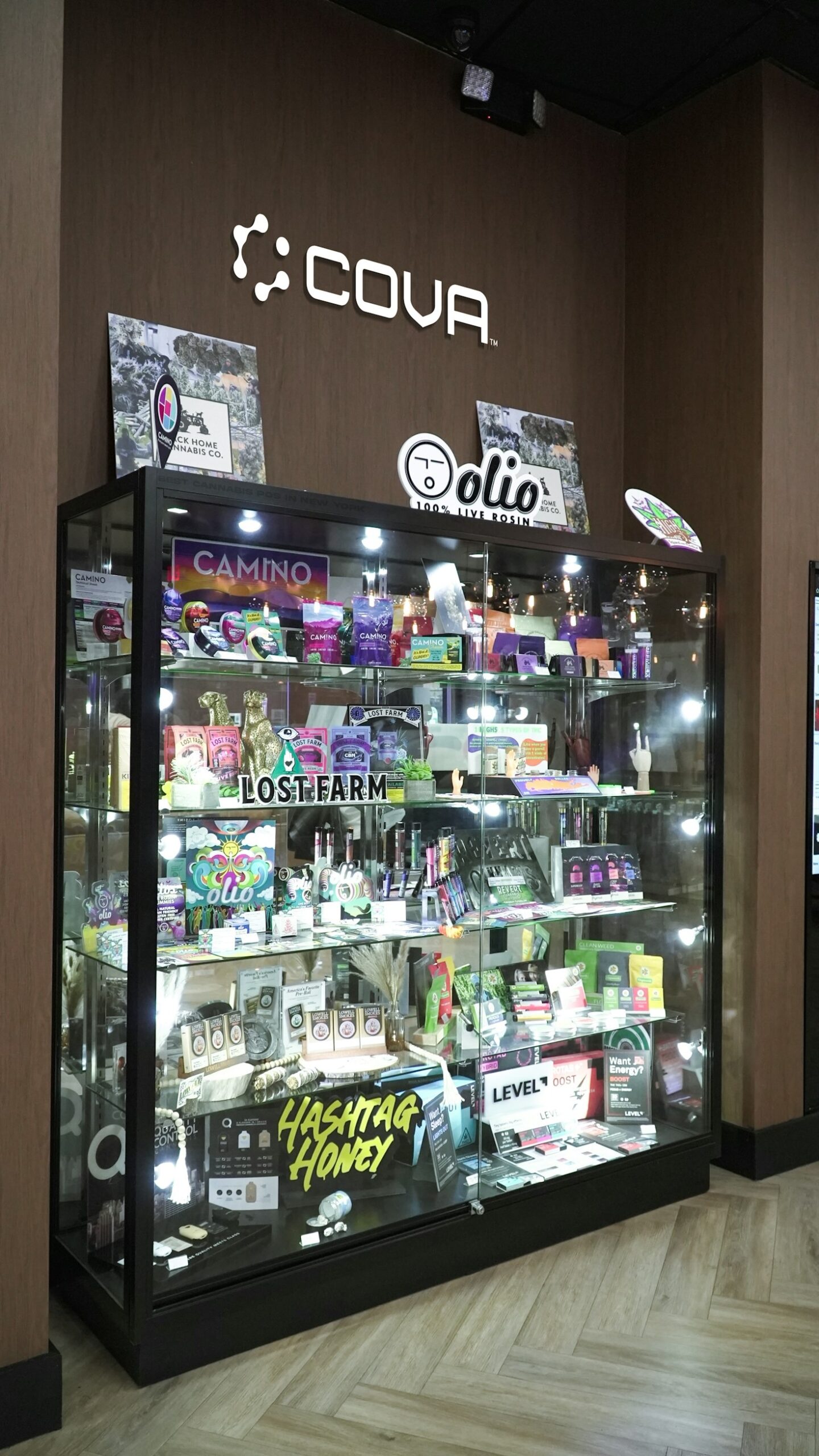
The Evolution of Craft Flower: Small Batch Growers to Watch

Walk into almost any dispensary in 2026 and the shelves look the same: big brands, big bags, big THC numbers. Look closer and you’ll find a second tier of jars from growers you may not have heard of, harvested a few pounds at a time and sold out within weeks. That is craft flower. It grew out of the legacy farms of Northern California, and it is now turning up in Colorado, Oregon, Massachusetts and New York. Here is how it got here and eight small-batch growers worth knowing.
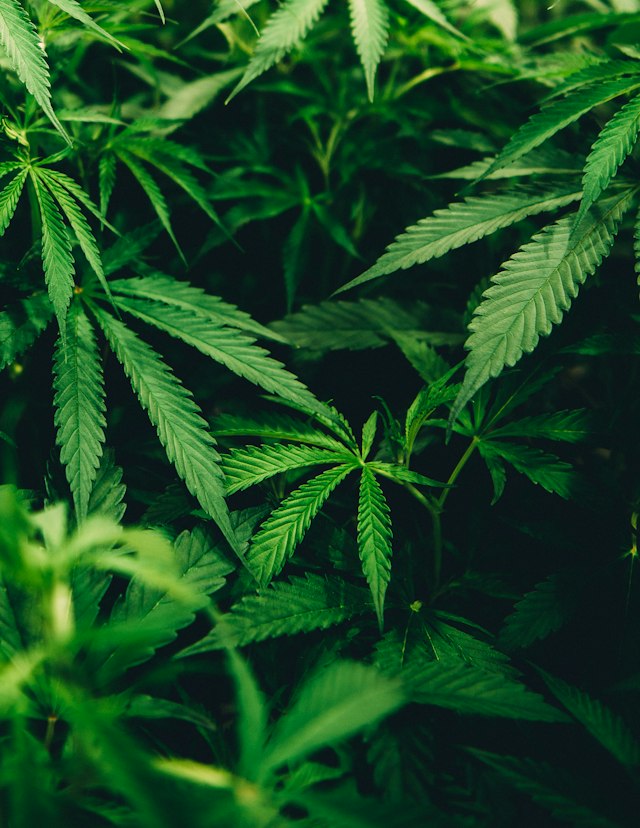
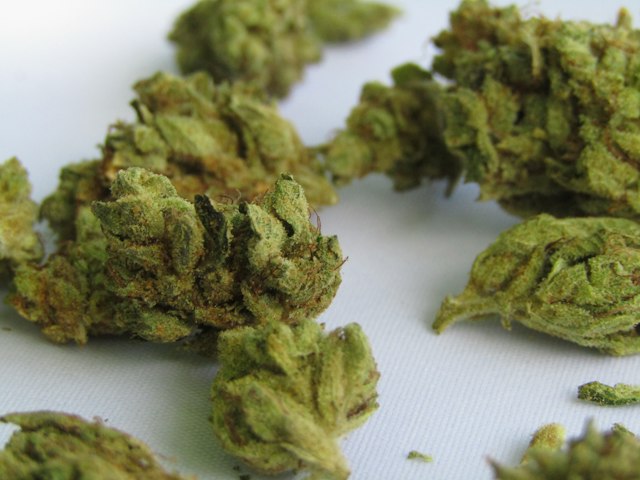
Close-up of a cannabis plant in flower

One note before the list. Craft flower is sold only in the state where it is grown, because cannabis can’t legally cross state lines. If a farm below catches your eye, you’ll need to be in its home state to try it.

The growers at a glance

GrowerHome stateStyleWhy watch
Huckleberry Hill FarmsCaliforniaSungrownSecond-generation Humboldt farm with its own family genetics
Rebel GrownCaliforniaSungrownWon Best Sungrown Flower at the 2023 Emerald Cup
Mendo DopeCaliforniaSungrown, living soilTook Best in Show at the 2024 Emerald Cup with a personal-use entry
Fig FarmsCaliforniaIndoorBreeder-led indoor grow with a 2023 Emerald Cup Best in Show
MerakiColoradoIndoorWorks from about 25 mother plants and revived Sour Diesel
Single SourceColoradoIndoorFlower and rosin made from the same hard-to-find strains
East Fork CultivarsOregonSungrown, organicA 10-acre family farm focused on high-CBD flower
Ideal Craft CannabisMassachusettsIndoorSocial equity grower with a first-place NECANN Cup win

How craft flower got here

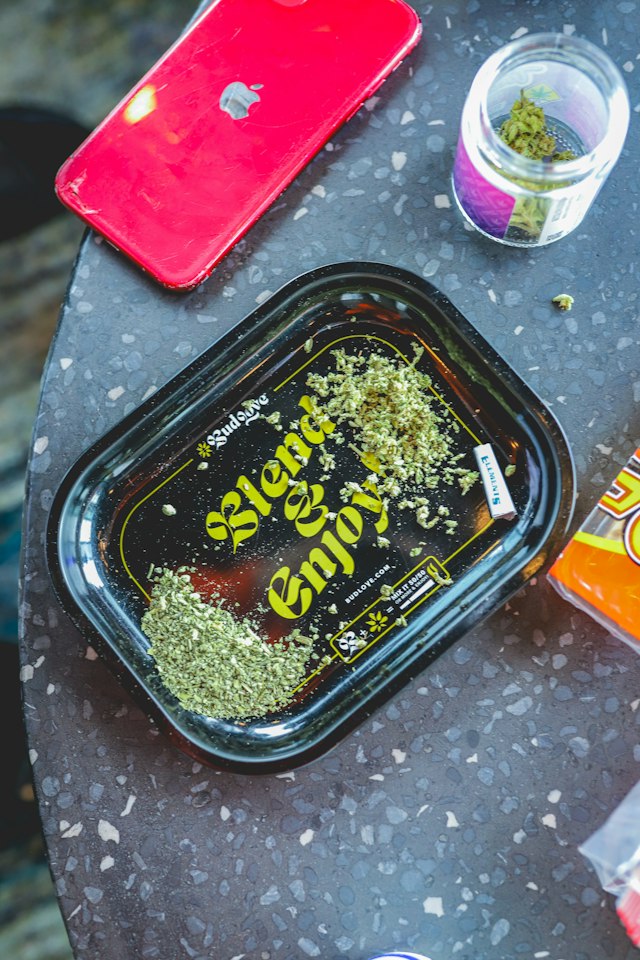
Tray of cannabis flower on a table

For decades, all cannabis was small batch. Growers in the hills of Humboldt, Mendocino and Trinity counties, the region known as the Emerald Triangle, worked small plots and kept seeds that performed well. Many of the strain names on menus today trace back to those gardens.

Legalization changed the math. Large licensed operators could grow at a scale no hillside farm could match, and prices fell. The Nation reports that California wholesale prices collapsed in 2021 to around $300 a pound, less than it cost many farmers to produce, and that one large company now holds more cultivation licenses than all the permitted grows in Humboldt County combined.

Craft growers responded the way craft brewers once did. They stopped competing on price and volume and started competing on flavor, genetics and story. The result is a category built around small harvests, careful drying and curing, and strains you can’t get from anyone else.

Craft flower isn’t defined by the size of the farm. It’s defined by how many decisions are still made by hand.

What the label terms mean

Craft has no legal definition, so the words on the jar matter. These are the ones you’ll see most often.

TermWhat it means
Small batchA limited harvest from one room or one plot, tracked and cured as a single lot
SungrownGrown outdoors under full sun, usually one harvest a year
Mixed lightGreenhouse-grown, using sunlight with some added light or light deprivation
IndoorGrown under artificial light with full control of climate
Living soilSoil kept biologically active with compost and microbes instead of bottled nutrients
Pheno huntGrowing many seeds of one cross to find the single best plant to keep
Hand-trimmedLeaves removed by hand, which protects the resin on the flower
Slow cureFlower dried and aged over weeks to preserve aroma and smoothness

How we picked these growers

We looked for growers with a record someone else has verified: a major competition result, a recognized certification, or coverage from an established cannabis publication. We favored farms that breed or select their own genetics and that say plainly how they grow. Availability is limited by design, so treat this as a list of names to look for, not a shopping guarantee.

1. Huckleberry Hill Farms, Southern Humboldt, California
Grower standing in a field of plants

Johnny Casali has farmed the same land between Briceland and Whitethorn since childhood. According to Fat Nugs Magazine, he moved there with his family in 1976, later served eight years in federal prison for growing cannabis, and returned to farm legally. He runs the farm today with Rose Moberly.

The flower to look for is Whitethorn Rose, a cross of Lemon OG and Paradise Punch. Paradise Punch was developed by Casali’s mother, which makes this one of the few strains on any shelf with a two-generation family history.

  • How they grow: sungrown, watered with stored rain and snowmelt. The farm is Sun+Earth Certified and is described as the first in California certified Fish Friendly.
  • Look for: Whitethorn Rose.

2. Rebel Grown, California

Rebel Grown is a breeder-led sungrown farm that proved outdoor flower can beat the field. At the 2023 Emerald Cup, its Double OG Chem #15 won Best Sungrown Flower and the Sungrown Breeder’s Cup, as Leaf Magazines reported.

  • How they grow: full sun, from genetics bred in-house.
  • Look for: Double OG Chem #15.

3. Mendo Dope, Emerald Triangle, California

The biggest upset in recent Emerald Cup history came in 2024, when Mendo Dope’s Headies won Best in Show. It was the first time an entry from the personal-use category took the top prize, and GreenState reported that the judges were unanimous. The same flower posted the highest terpene content in the competition.

The story behind the plant is personal. The strain came from a cut grown by a childhood friend of the growers who has since died, and it was first known by his name.

  • How they grow: sungrown in living soil.
  • Look for: Headies, distributed in California through Redwood Roots.

4. Fig Farms, California

Rows of cannabis plants in an indoor grow room

Craft isn’t only an outdoor idea. Fig Farms was founded in 2016 by Keith and Chloe Healy, legacy farmers and breeders, and has built its name on pheno hunting: growing out large numbers of seeds to find one exceptional plant. Cannabis Business Times notes that its Animal Face was hunted from seed and that Holy Moly! was bred in-house from Banana Fig and Animal Mints.

The approach paid off at the 2023 Emerald Cup, where Blue Face won Best Indoor Flower and overall Best in Show, according to Leaf Magazines.

  • How they grow: indoor, with in-house breeding and selection.
  • Look for: Blue Face, Animal Face and Holy Moly!

5. Meraki, Boulder area, Colorado

Meraki launched in 2022 and stays deliberately small. Westword reports that founders Phil Halpern and Matt DenBleyker work from about 25 mother plants, a tiny library by commercial standards. They are known for bringing back Sour Diesel, a classic that many large growers dropped because it is slow and difficult.

  • How they grow: indoor, with a short, curated strain list.
  • Look for: Sour Diesel, Lemonhead Delight and Donny Burger.

6. Single Source, Denver, Colorado

Single Source is run by two growers and a hash maker, and the name describes the model. Per Westword, the rosin is largely made from the same strains the company sells as flower, so you can try one plant two ways. The team has a reputation for growing strains that are hard to find anywhere else.

  • How they grow: indoor, with flower and solventless rosin from the same harvests.
  • Look for: Papaya Cake, Strawberry 2.1 and Loompa’s Headband.

7. East Fork Cultivars, Takilma, Oregon
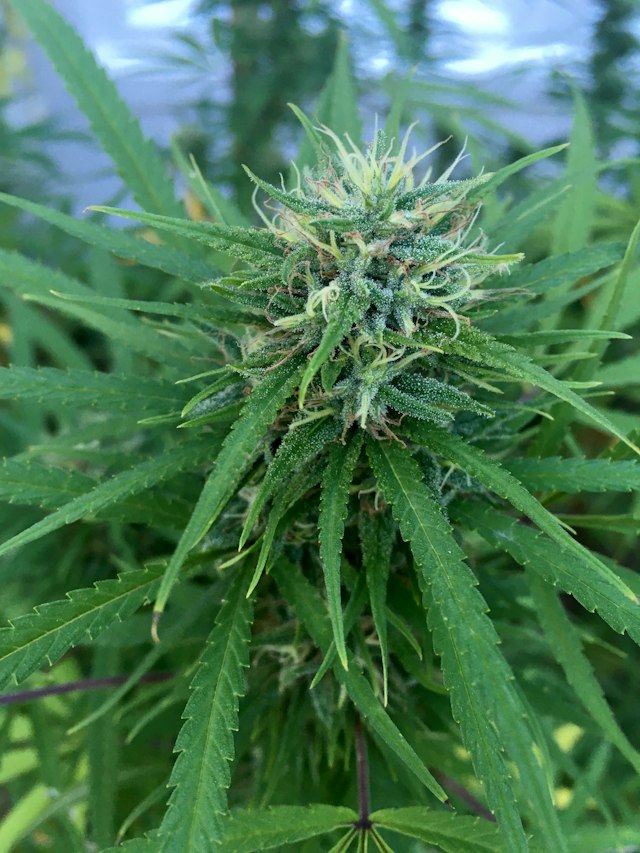
Close-up of a cannabis plant growing outdoors near water

While most of the market chases THC, East Fork went the other way. Its Leafly brand page describes a 10-acre family farm in Southern Oregon’s Illinois Valley that specializes in high-CBD cannabis, all sungrown and all organic. It is a good name to know if you want flavor and a gentler effect.

  • How they grow: sungrown and organic, with companion planting. The farm is listed as Clean Green Certified.
  • Look for: CBD-rich flower and pre-rolls such as ACDC and Wesley’s Wish.

8. Ideal Craft Cannabis, Massachusetts

On the banks of the Blackstone River near the Rhode Island line, Ideal Craft Cannabis is one of the few fully vertical social equity companies in Massachusetts, according to an Apex Trading profile. It grows specialty genetics in small batches and packs orders to order. Its Jokerz took first place for indica flower at the 2023 NECANN Cup in Boston.

  • How they grow: indoor, small batch, packed to order.
  • Look for: Jokerz.

One more to watch: New York microbusinesses

New York may be where the next wave of craft growers comes from. The state created a microbusiness license that lets one small operator grow, process, distribute and sell its own cannabis. High Times quotes one buyer calling it the first license in the country built for small, independent operators, and reports that some retailers now buy from these growers on cash-on-delivery terms to help them stay afloat.

Names appearing at New York buyer events this year include Hudson Valley Jane, Hurley Grown, Forest Flower Cannabis and Lazy Day Farmers. They are new and small, which is the point.

How to shop for craft flower
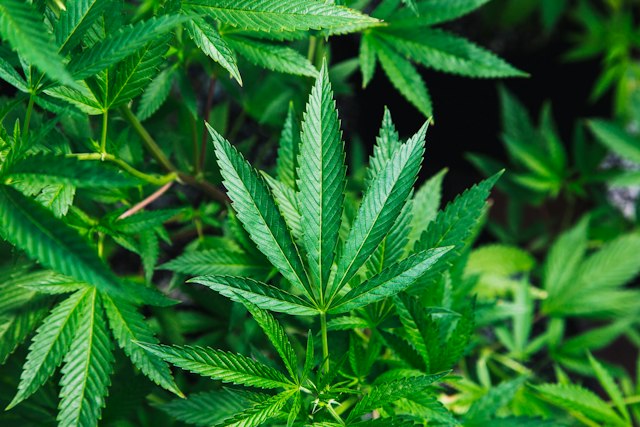
Close-up of a green cannabis plant
  1. Check the harvest date. Fresh matters more than THC. Look for flower packaged within the last few months.
  2. Read past the THC number. Terpene content tells you more about flavor and effect. Many craft growers print it on the label.
  3. Ask who grew it. A good budtender can name the farm and how it grows. If the answer is vague, it probably isn’t craft.
  4. Buy small first. Start with a gram or an eighth. Batches vary, and that is part of the appeal.
  5. Look for certifications. Sun+Earth and Clean Green are independent programs that check farming practices.
  6. Store it well. Keep the jar sealed, cool and out of the light, and finish it within a few weeks of opening.

Wrapping Up with Key Insights

Craft flower started as the only kind of cannabis there was, nearly disappeared under the weight of the legal market, and has come back as its own category. The growers here take different routes, from a hillside in Humboldt to a small room outside Boulder, but they share the same idea: fewer plants, more attention and a strain worth remembering.

Small farms survive when people ask for them by name. Next time you’re at the counter, skip the biggest number on the menu and ask what came in from a small grower this week.

Keep reading: Understanding Terpenes and How They Shape Your Daily Routine, and Top Dispensaries Worth Visiting on Your Next Cross-Country Trip. To find a shop near a farm on this list, use our Dispensaries by State directory, and check interstate cannabis laws before you travel.

This article is general information for adults 21 and older. We have no commercial relationship with the growers listed. Awards and details are drawn from the published sources below, some from earlier years, and product availability changes with every harvest.

Sources

Understanding Terpenes and How They Shape Your Daily Routine

Open a jar of good flower and the first thing you notice isn’t the THC. It’s the smell: lemon peel, pine sap, black pepper, ripe mango. Those aromas come from terpenes, and they are the reason two strains with the same THC number can feel like different experiences. This guide explains what terpenes are, what the research does and doesn’t support, and how to use your nose to choose flower that fits your morning, afternoon or evening.

Cannabis flower on a white cloth

One thing up front. Most of what you’ll read about terpene effects comes from lab and animal studies, not human trials. We’ll flag which claims have human evidence behind them and which are still educated guesses.

What terpenes are

Terpenes are aromatic compounds that plants make to attract pollinators and discourage pests. They are what make a lemon smell like a lemon and a pine forest smell like a pine forest. In cannabis they are produced in the trichomes, the tiny resin glands that coat the flower. Leafly’s terpene guide counts more than 150 types in the plant, though only a handful show up in meaningful amounts.

They aren’t the same thing as cannabinoids. THC is what gets you high. Terpenes shape the smell and taste, and they may adjust how that high feels. The idea that the plant’s compounds work better together than alone is called the entourage effect. It is plausible and widely repeated, and the science is still catching up to it.

THC decides how far you go. Terpenes may help decide what the ride feels like.

Six terpenes worth knowing

TerpeneSmells likeAlso found inReputation
MyrceneEarthy, musky, herbalMango, hops, lemongrassHeavy and relaxing
LimoneneLemon and orange peelCitrus rinds, gingerBright and uplifting
CaryophylleneBlack pepper, spiceBlack pepper, cloves, rosemaryWarm and soothing
LinaloolFloral, lavenderLavender, sweet basilCalming
PineneFresh pinePine needles, rosemary, juniperClear and alert
TerpinoleneFruity, floral, herbalLilac, nutmeg, applesLively

The last column is reputation, not proof. Here is what stands behind each one.

Myrcene

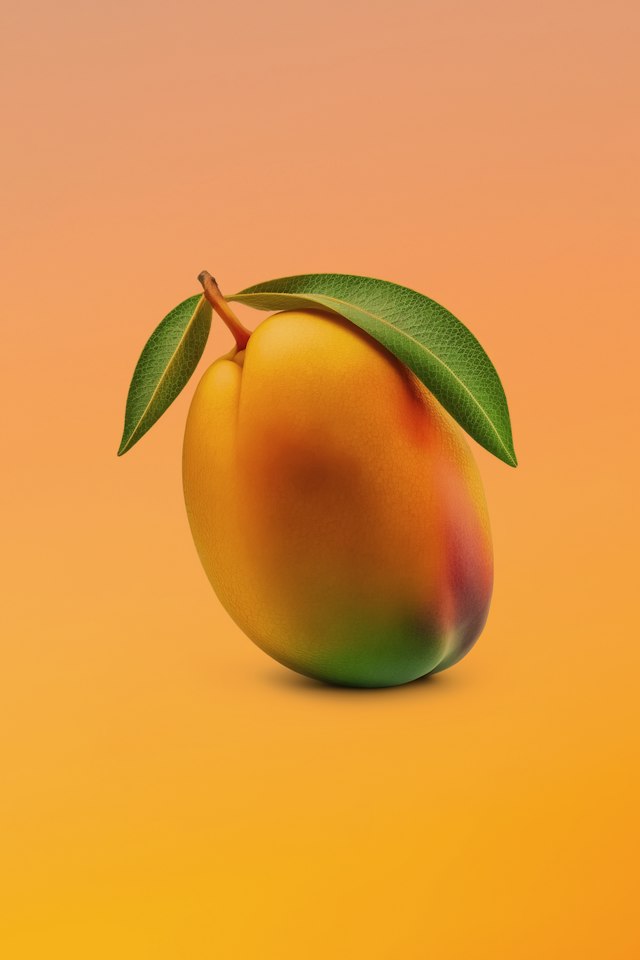
Ripe mango with green leaves

Myrcene is the terpene most often found at high levels in commercial cannabis. It smells earthy and musky with a faint sweetness, and it also occurs in mangoes, hops and lemongrass. Consumers have long linked myrcene-heavy flower with a heavy, couch-bound feeling.

  • What research says: lab work points to anti-inflammatory activity, including a cell-culture study on osteoarthritis. The sedative reputation rests mostly on tradition and animal data.
  • When people reach for it: evenings and slow weekends.

Limonene

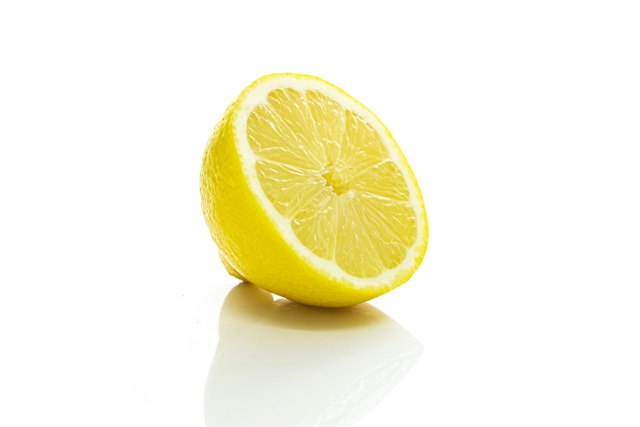
Fresh yellow lemons

Limonene smells like citrus rind because it is the main aromatic compound in citrus rind. It has the strongest human evidence of any cannabis terpene. In a 2024 study reported by Johns Hopkins Medicine, 20 healthy adults inhaled vaporized THC alone or with d-limonene. Adding limonene significantly reduced the anxiety participants reported from THC, and the effect grew with the limonene dose, without dulling the high.

  • What research says: promising, with caveats. The study was small, involved only young healthy adults, tested inhalation only and relied on self-reports. The researchers are planning larger trials.
  • When people reach for it: daytime, social settings and creative work.

Caryophyllene

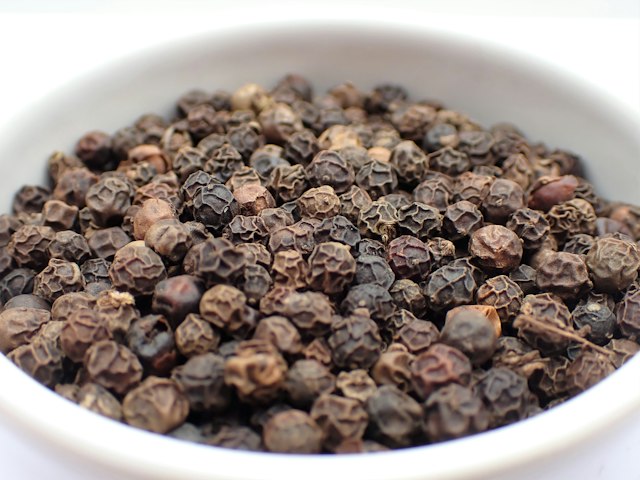
White bowl filled with black peppercorns

If a strain makes your nose tingle like fresh-cracked pepper, that’s caryophyllene. It is found in black pepper, cloves, rosemary and oregano. It is unusual among terpenes because it binds directly to the CB2 receptor, part of the body’s own cannabinoid system that is tied to immune response instead of intoxication.

  • What research says: early studies have looked at inflammation, anxiety and mood. The work is preclinical.
  • When people reach for it: after exercise or at the end of a long day.

Linalool

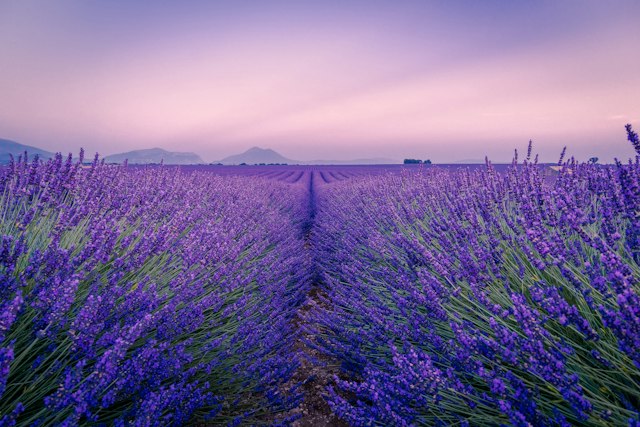
Rows of purple lavender in a field

Linalool is the floral note in lavender, and people have used lavender to wind down for centuries. In cannabis it usually appears in smaller amounts, adding a soft, perfumed edge. A 2021 review in Frontiers in Psychiatry found calming and neuroprotective effects in rodent and cell studies, and noted that well-designed human trials are lacking.

  • What research says: consistent results in animals, very little in people.
  • When people reach for it: the hour before bed.

Pinene

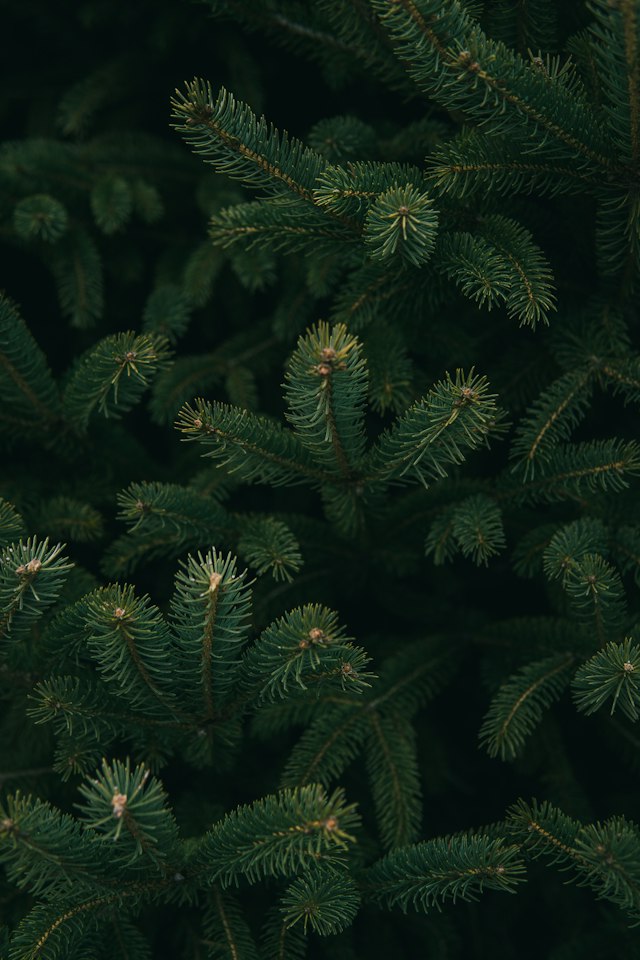
Close-up of green evergreen needles

Pinene smells exactly like its name. It is the most common terpene in the plant world, found in pine needles, rosemary, juniper and frankincense. Among consumers it has a reputation for a clear-headed high, and some say it offsets the foggy short-term memory that THC can cause.

  • What research says: the same Frontiers review lists anti-inflammatory and anti-anxiety effects in rodents and lab studies. No human trials have tested the memory claim.
  • When people reach for it: hikes, chores and anything that needs focus.

Terpinolene

Terpinolene is the hardest to pin down: a little fruity, a little floral, a little herbal. It occurs in lilacs, nutmeg, cumin and apples. It is the least common of the six as a dominant terpene, but strains that have it tend to stand out. A University of Colorado Boulder analysis of nearly 90,000 samples found that commercial cannabis falls into three broad chemical groups, and one of them is defined by terpinolene and myrcene.

  • What research says: lab studies show antimicrobial activity. Effects on mood are anecdotal.
  • When people reach for it: mornings and daytime, where fans describe it as lively.

Why terpenes tell you more than indica or sativa

For years the shortcut was simple: indica for night, sativa for day. The chemistry doesn’t back it up. The Colorado study, published in PLOS One, covered products from six states and found that indica, sativa and hybrid labels do not consistently match what is in the jar. A sample labeled indica can have a terpene profile indistinguishable from one labeled sativa.

What the researchers found instead were three clusters: flower high in caryophyllene and limonene, flower high in myrcene and pinene, and flower high in terpinolene and myrcene. Strain names weren’t fully reliable either. Some were consistent from grower to grower and others varied widely. The authors recommended labels that work like a nutrition panel, listing THC, CBD and terpenes.

Until that happens, the terpene line on the label and your own nose are better guides than the category on the shelf tag.

Matching terpenes to your day

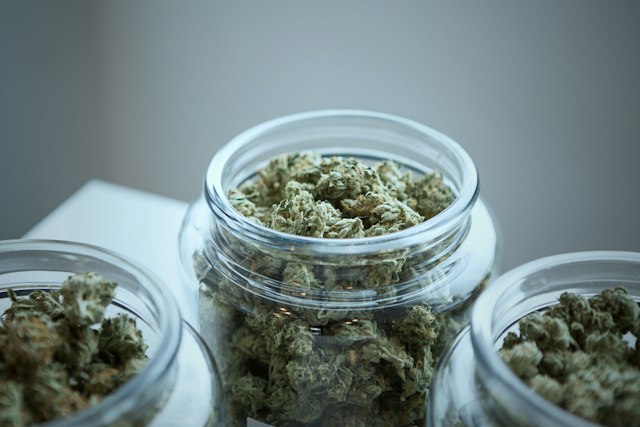
Clear glass jar filled with cannabis flower

Treat this as a starting point for your own experiments, not a prescription. Dose, tolerance, setting and THC content all matter more than any single terpene.

Time of dayWhat you might wantTerpenes people reach forAromas to sniff for
MorningLight and alert, without the fogPinene, terpinolene, limonenePine, citrus, fresh herbs
AfternoonGood mood, still functionalLimonene, caryophylleneLemon, orange, pepper
After a workoutEase and recoveryCaryophyllene, myrcenePepper, cloves, earth
EveningUnwind and slow downMyrcene, linaloolMusk, mango, lavender
BedtimeCalm before sleepLinalool, myrceneFloral, earthy

For daytime use, keep the dose low. A terpene profile won’t make a large dose of THC feel like a small one.

How to shop and store for terpenes

  1. Smell before you buy. Where shops allow it, smell the jar. If an aroma appeals to you, that is useful information about what you’ll enjoy.
  2. Read the lab label. Many states and growers list the top three terpenes and a total percentage. Compare those, not just THC.
  3. Check the harvest or package date. Terpenes are volatile and fade with time. Fresher flower smells and tastes stronger.
  4. Keep a simple log. Note the strain, the top terpenes and how you felt. After a few entries your own pattern is worth more than any chart.
  5. Store it cool, dark and sealed. Heat, light and air strip terpenes. An airtight glass jar in a cupboard works well.
  6. Go easy on the heat. Terpenes evaporate at lower temperatures than THC burns off. A vaporizer set low keeps more flavor than a flame does. See What Is Vaping.

A few cautions

  • Terpenes are not medicine. None of the effects above are approved treatments. Talk to a doctor about anxiety, pain or sleep problems.
  • Be wary of added terpenes. Some vape cartridges use terpenes from other plants or synthetic sources at levels far above what occurs in flower. Look for products that state where their terpenes come from.
  • Never vape or smoke essential oils. Bottled lavender or citrus oil is not made to be inhaled this way.
  • Don’t drive. A clear-headed terpene profile doesn’t make you less impaired.

Wrapping Up with Key Insights

Terpenes are the reason cannabis has a personality. The research on what they do in people is young, with one solid human study on limonene and a long list of promising lab results. That is enough to justify paying attention, and not enough to justify big promises.

The practical takeaway is simple. Stop shopping by THC percentage and indica or sativa alone. Smell the flower, read the terpene line on the label, keep track of what you like, and build your own map of morning, afternoon and evening.

Keep reading: The Evolution of Craft Flower: Small Batch Growers to Watch, Top Dispensaries Worth Visiting on Your Next Cross-Country Trip and A Beginner’s Guide to Exploring Modern Consumption Lounges.

This article is general information for adults 21 and older and is not medical advice. Research on cannabis terpenes is at an early stage and individual responses vary.

Sources

A Beginner’s Guide to Exploring Modern Consumption Lounges

Legal cannabis has a strange gap in it. In much of the country you can walk into a store and buy it, and then you have nowhere legal to use it. Public spaces are off limits, most hotels and rentals ban smoking, and your car is the worst option of all. Consumption lounges exist to close that gap. If you’ve never been inside one, this guide covers what they are, where you’ll find them in 2026, and how to get through a first visit without feeling lost.

Lounge interior with sofas and a chandelier

A quick expectation check: lounges are still rare. A state allowing them on paper doesn’t mean there is one near you, so always confirm a specific venue is open before you plan an evening around it.

What a consumption lounge is

A consumption lounge is a licensed business where adults 21 and older can legally use cannabis on site. Think of it as the cannabis version of a bar or a coffee shop: you sit down, you consume, and staff are trained to look after you. Depending on the state it may be called a lounge, a cannabis cafe, a social consumption site or a designated consumption establishment.

Lounges matter most to three groups: travelers with no private place to consume, renters whose leases ban smoking, and beginners who would like to try cannabis for the first time with knowledgeable staff nearby.

A good lounge does for cannabis what a good bar does for a cocktail: it gives you a place, a pace and someone who knows what they’re serving.

The main types of lounges

Two friends sitting at a table by a window
TypeHow it worksGood for
Dispensary loungeA room attached to a licensed shop. You buy at the counter and consume next door.First-timers, since buying and consuming happen in one stop
Cannabis cafeA lounge that also serves food and non-alcoholic drinks, sometimes with live musicA social night out
Stand-alone loungeConsumption only. Some sell cannabis, others ask you to bring your own.Regulars and groups
Private clubMembers pay a fee to use the space and usually bring their own cannabisLocals in places without public lounges
Mobile loungeA licensed bus or limo where you can consume during a tourSightseeing in cities such as Denver
Event licenseA temporary permit for consumption at a festival or pop-upConcerts and special events

The names and rules change by state. GreenState notes, for example, that Michigan calls them designated consumption establishments and that some don’t sell cannabis on site at all.

Where lounges are legal in 2026

A January 2026 research brief from the Washington State Liquor and Cannabis Board counted 13 states that authorize some form of consumption site. Several have laws on the books but few or no venues open yet.

StateStatusWorth knowing
AlaskaOperatingAllowed at freestanding retailers with a separate, ventilated area
CaliforniaOperatingCafes may serve food and host live music where the city allows it
ColoradoOperatingIncludes licensed mobile lounges; rules vary by city
IllinoisOperatingIndoor smoking only in a designated, closed-off area
MarylandOperatingSmoking outdoors only; vaping allowed indoors
MichiganOperatingLounges are licensed separately from retail stores
MinnesotaOperatingTied to microbusinesses and events; infused drinks and food
MissouriLocal optionNo state license; cities and counties decide
NevadaOperatingVery few venues open despite dozens of applicants
New MexicoOperatingConsumption areas attached to licensed retailers
MassachusettsRolling outRules took effect in January 2026; towns must opt in first
New JerseyPendingAuthorized, with licensing still in progress as of the brief
New YorkPendingAuthorized, with licensing still in progress as of the brief

Two examples show how uneven the picture is. Nevada legalized lounges years ago, yet FOX5 Las Vegas reported in late 2025 that only one state-licensed lounge was operating, DAZED! at Planet 13 in Las Vegas, after another closed. In Massachusetts, the Cannabis Control Commission approved final rules in December 2025 with three license types, but each city or town has to opt in before a lounge can open there.

California is moving the other way. A state law that took effect in January 2025 lets lounges serve food and non-alcoholic drinks and host entertainment, and SFist reported in July 2026 that San Francisco was voting on local rules to allow it. Check our State Cannabis Laws page for your destination.

What to expect on your first visit

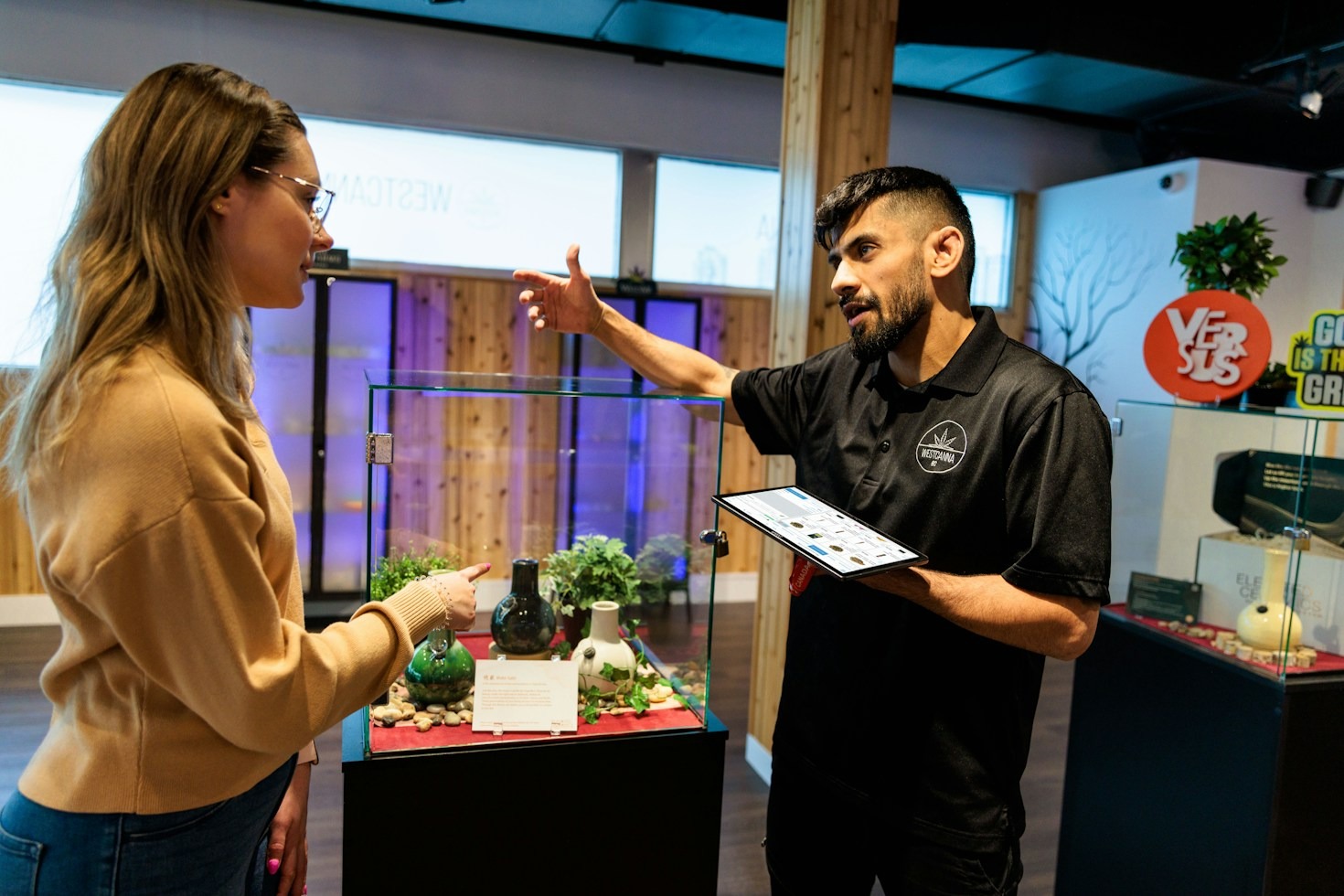
Customers at a dispensary counter
  1. Check in with ID. You’ll need a government-issued photo ID showing you are 21 or older. No exceptions and no photos of an ID.
  2. Learn the entry terms. Some lounges charge a cover or a fee by the hour. Others ask for a minimum purchase. Ask at the door.
  3. Order or buy. At most lounges you buy from a menu or the attached shop. Staff will ask what you want to feel and how much experience you have. Answer honestly.
  4. Borrow the gear. Many lounges supply papers, grinders, vaporizers or glassware, sometimes for a small rental fee. You rarely need to bring anything.
  5. Settle in. Find a seat, take your time and drink water. Nobody is keeping score.
  6. Take leftovers properly. If the state allows it, staff will seal what you didn’t finish in an exit bag. Don’t walk out with an open container.
  7. Get home safely. Plan your ride before you arrive.

Some lounges allow every method and others restrict smoking. Afar notes that The Coffee Joint in Denver permits vaping and edibles but not smoking. If you want to try concentrates, read What Is Dabbing first, since it is the strongest option on any menu.

How much to try if you are new

Hands rolling a cannabis joint

The most common first-visit mistake is doing too much too quickly. A lounge is a good place to learn your limit because you can stop at any point.

MethodStarting amountWhen you feel itHow long it lasts
Smoking or vaping flowerOne or two small puffs, then wait 10 to 15 minutesWithin minutesAbout 1 to 3 hours
Edibles and infused drinks2.5 to 5 mg of THC30 minutes to 2 hours4 to 8 hours or more
Concentrates (dabs)Skip on a first visitSecondsAbout 1 to 3 hours, and much stronger

Edibles are where beginners get caught. Because they take so long to start, people take a second dose too soon. Wait the full two hours before deciding you need more. If you do overdo it, tell staff. They see it often, and the fix is usually water, a snack, a quiet seat and time.

Lounge etiquette

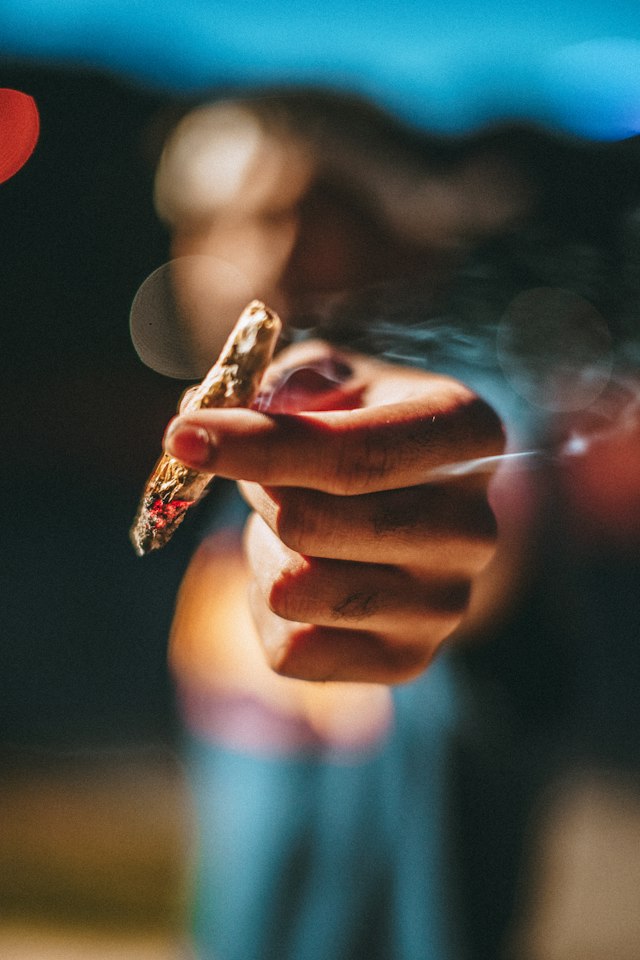
Hand holding a lit joint
  • Ask before bringing your own. Rules on outside cannabis differ by state and by venue.
  • No alcohol and no tobacco. Most states ban both inside lounges. Mixing alcohol with cannabis is also the quickest way to feel unwell.
  • Share only when invited. Don’t assume a stranger wants a hit, and don’t ask for theirs.
  • Ask before taking photos. Many guests would prefer not to appear on social media.
  • Be easy on the staff. They work in the smoke all shift. Tip as you would at a bar.
  • Mind your smoke. Don’t blow it toward other tables.
  • Leave when you have had enough. You can always come back another day.

What it costs

Pricing models differ. Some lounges are free with a purchase. Time Out reported that Barbary Coast in San Francisco opens its lounge to customers who spend $40 or more. Others charge a cover, an hourly rate or a membership fee. Cannabis bought in a lounge usually costs more than the same product at a regular dispensary, in the same way a drink costs more at a bar than at a store. Expect to pay for the setting.

Safety and the law

  • Don’t drive. Arrange a rideshare, a designated driver or a hotel within walking distance. Massachusetts requires lounges to have a transportation plan for impaired guests, and many venues elsewhere offer discounted rides.
  • Think about the air. Even with ventilation, indoor smoke exposure is real. If that concerns you, pick a lounge with outdoor seating or one that allows only vaping and edibles.
  • Keep it inside. Stepping outside to finish a joint puts you back under public-consumption laws.
  • Don’t take it across state lines. What you buy stays in that state. See Navigating Interstate Cannabis Laws.
  • Skip it if you are pregnant, have a heart condition or take medication that interacts with cannabis. Ask a doctor first.

Wrapping Up with Key Insights

Consumption lounges are the missing piece of legal cannabis: a place to use what you’re allowed to buy. They are still few and unevenly spread, and the rules change from one state to the next, so a little checking ahead goes a long way.

For a first visit, bring your ID, start with less than you think you need, ask the staff questions, and arrange your ride home before you sit down. Do that and a lounge is one of the easiest and safest ways to try cannabis.

Keep reading: Top Dispensaries Worth Visiting on Your Next Cross-Country Trip, Understanding Terpenes and How They Shape Your Daily Routine, and our how-to guides, including How To Roll A Joint and What Is Vaping.

This article is general information for adults 21 and older and is not legal or medical advice. Lounge rules and openings change often. Confirm details with the venue and with official state sources before you go.

Sources

Coast-to-Coast Strains: Regional Favorites Across the Nation

This paragraph serves as an introduction to your blog post. Begin by discussing the primary theme or topic that you plan to cover, ensuring it captures the reader’s interest from the very first sentence. Share a brief overview that highlights why this topic is important and how it can provide value. Use this space to set the tone for the rest of the article, preparing readers for the journey ahead. Keep your language approachable, yet informative, to create a strong connection.

Sometimes, the simplest moments hold the deepest wisdom. Let your thoughts settle, and clarity will find you. Use this quote space to share something inspirational or reflective, perfectly aligned with the theme of your article.

This paragraph dives deeper into the topic introduced earlier, expanding on the main idea with examples, analysis, or additional context. Use this section to elaborate on specific points, ensuring that each sentence builds on the last to maintain a cohesive flow. You can include data, anecdotes, or expert opinions to reinforce your claims. Keep your language concise but descriptive enough to keep readers engaged. This is where the substance of your article begins to take shape.

As you move toward the midpoint of the article, this paragraph provides an opportunity to connect earlier ideas with new insights. Use this space to present alternative perspectives or address potential questions readers might have. Strike a balance between depth and readability, ensuring the information remains digestible. This section can also serve as a transition to the closing points, maintaining momentum as you steer the discussion to its final stages.

Wrapping Up with Key Insights

In this concluding paragraph, summarize the key takeaways from your article, reinforcing the most important ideas discussed. Encourage readers to reflect on the insights shared, or offer actionable advice they can apply in their own lives. This is your chance to leave a lasting impression, so make sure your closing thoughts are impactful and memorable. A strong conclusion not only ties the article together but also inspires readers to engage further.

How to Choose the Right Edibles for Your Experience Level

Edibles are the easiest way to try cannabis and the easiest way to have a bad time with it. There’s no smoke, no gear and no smell, just a gummy or a square of chocolate. The catch is timing. An edible can take an hour or more to start working, and many people take a second piece because they think the first one failed. This guide matches edibles to your experience level, explains how to read a label, and covers the habits that keep the experience pleasant.

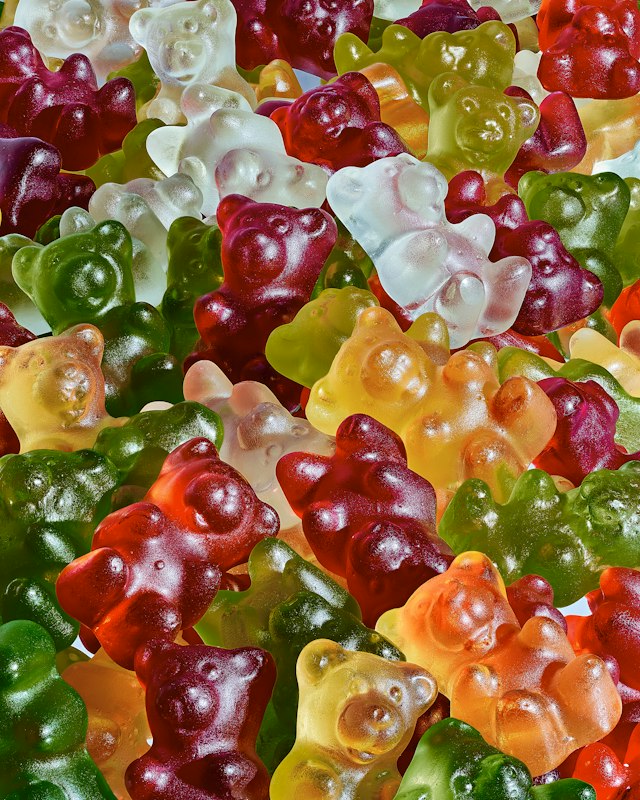
Pile of colorful gummy candies

The short version: start with a small dose, wait a full two hours before taking more, and keep everything locked away from children and pets.

Why edibles hit differently

When you smoke or vape, THC goes through your lungs into your bloodstream within minutes. When you eat it, it travels through your digestive system and your liver first. The liver converts part of the THC into a related compound, 11-hydroxy-THC, which many people find feels stronger. That is why the effects of an edible start later, feel heavier and last much longer than a joint with the same amount of THC.

Doctors at UCHealth studied nearly 10,000 cannabis-related emergency room visits in Colorado from 2012 to 2016, in research published in the Annals of Internal Medicine. Edibles accounted for about 11% of those visits, far more than their share of sales would predict. Patients who had eaten cannabis more often had anxiety, panic and racing hearts. Lead author Dr. Andrew Monte pointed to people stacking doses because they did not feel anything at first.

With edibles, the dose you take is less important than the time you wait.

The 5 mg benchmark

In 2021 the National Institutes of Health set 5 milligrams of THC as a standard unit for cannabis research, so studies could compare doses. It isn’t a consumer recommendation, but it is a useful yardstick. Think of 5 mg as one standard serving, the way people think of a standard drink. Many states cap a single serving of an adult-use edible at 10 mg, so a typical gummy from a dispensary is one or two standard units.

Choosing by experience level

Use this as a starting point and adjust from there. Body weight, what you’ve eaten, medications and your own metabolism all change how a dose feels.

Your experienceStarting doseWhat to look forWhat to expect
Never tried cannabis1 to 2.5 mg THCMicrodose gummies or mints; products with equal or more CBD than THCA light mood lift or mild relaxation. Some people feel very little.
Tried it a few times2.5 to 5 mg THCSingle-serve 2.5 or 5 mg piecesNoticeable but manageable effects for several hours
Occasional user5 to 10 mg THCStandard 5 to 10 mg gummies or chocolatesA clear high that lasts much of an evening
Regular user10 mg and up, increased slowlyHigher-dose products, often from medical programsStrong effects. Tolerance from smoking does not fully carry over to edibles.
Returning after a long breakTreat yourself as a beginnerThe same as a first-timerTolerance fades. Start low again.

If you regularly smoke but rarely eat cannabis, start in the second or third row, not the fourth. A comfortable joint doesn’t tell you much about how your body handles an edible.

Picking the right type of edible

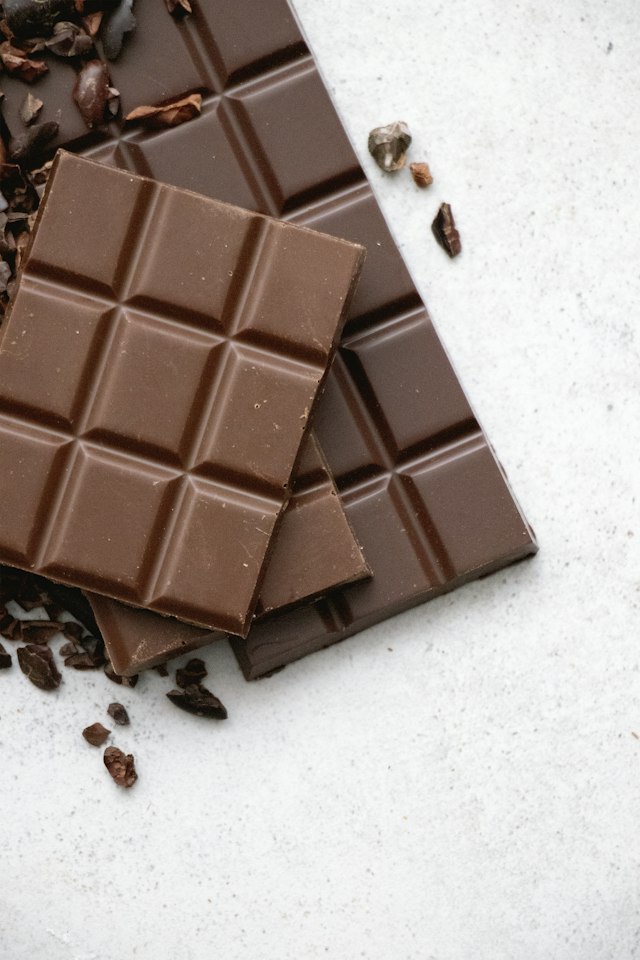
Chocolate bar on a white table
TypeDosing controlGood to know
GummiesExcellent. One piece is one dose.The most popular format. Easy to mistake for candy, so store them carefully.
ChocolatesGood. Bars are scored into squares.Check whether the label gives the dose per square or per bar.
Mints and tabletsExcellent. Often 1 to 5 mg each.Small doses make them a good choice for beginners.
DrinksGood when sold as single servingsSome people report feeling them sooner than food. Sip slowly anyway.
TincturesPrecise with the dropper, once you learn itDrops held under the tongue may act sooner than food.
Baked goodsPoor. THC can be uneven through a homemade batch.Avoid homemade edibles until you know your dose.
Plate of baked cookies

For a first time, choose a format where one piece equals one known dose, such as a gummy, mint or single-serve drink. Leave brownies and cookies for later, especially homemade ones, where you can’t know how much THC is in each bite.

How to read an edible label

  • THC per piece, not just per package. A package might say 100 mg. That is the whole bag, not one gummy.
  • The CBD ratio. Products labeled 1:1 or 2:1 contain CBD along with THC, which many beginners find gentler. See What Is CBD.
  • Licensed and lab-tested. Dispensary products carry a state license number and lab results. Gas station and online products often do not.
  • Serving size. Confirm whether one serving is one piece, half a piece or a few drops.
  • Ingredients and allergens. Check for sugar, gelatin, nuts and dairy, as with any food.
  • Expiration date. THC breaks down over time, so old edibles can be weaker than the label says.

The first-time routine

Ceramic mug on a table
  1. Pick a free day. Choose an evening or weekend with nothing to do and nowhere to drive.
  2. Eat a light meal first. Food in your stomach can make the onset steadier.
  3. Take one small dose. One microdose piece or half a standard gummy.
  4. Set a two-hour timer. Do not take more until it goes off, even if you feel nothing.
  5. Skip alcohol. Mixing the two makes it far easier to feel sick.
  6. Have water and snacks ready. Get comfortable with a show or music you know.
  7. Write it down. Note the product, the dose and how you felt. Next time, adjust by small steps.

If you want company the first time, a licensed cannabis cafe or lounge can be a good setting, with staff who know the products. See A Beginner’s Guide to Exploring Modern Consumption Lounges.

If you took too much

It happens, and it passes. Cannabis alone very rarely causes life-threatening harm in healthy adults, but too much can be deeply unpleasant.

  • Remind yourself it is temporary. The effects will fade, usually within several hours.
  • Find a calm, safe place. Dim the lights, sit or lie down and slow your breathing.
  • Drink water and eat something. A snack can help you feel grounded.
  • Have someone stay with you. A sober friend can help a lot.
  • Get medical help for chest pain, trouble breathing, fainting or severe confusion, or if you are worried. You can also call Poison Control at 1-800-222-1222.

Keep them away from kids and pets

This part is not optional. a study of U.S. poison center calls, reported in September 2026, found more than 41,000 accidental recreational drug ingestions among U.S. children under 6 from 2000 to 2024. The rate rose more than 3,300%, driven mainly by cannabis edibles. Most children had mild or no effects, but about 5% had serious symptoms and six died, all under the age of 3.

  • Store edibles in the original child-resistant packaging, inside a locked box if you have children at home.
  • Keep them out of purses, backpacks, pantries and the fridge, where they look like any other snack.
  • Don’t eat edibles in front of young children, who copy what adults do.
  • Dogs are also highly sensitive to THC. Call your vet if a pet gets into your stash.

Dispensary edibles versus hemp gummies

You may have seen THC gummies for sale at gas stations, smoke shops or online. Most are hemp-derived, sold under a federal loophole, and they are often not tested to the standards of a licensed dispensary. That loophole is closing. According to Foley Hoag, a federal limit of 0.4 mg total THC per container is scheduled to take effect on December 11, 2026, which would make most of these products illegal. For predictable dosing, buy from a licensed shop. Find one in our Dispensaries by State directory.

And remember that edibles bought in one state can’t legally travel to another. See Navigating Interstate Cannabis Laws.

Wrapping Up with Key Insights

Edibles reward patience. Choose a product where one piece is a known dose, start at the low end for your experience, and give it a full two hours. Keep a simple record, adjust in small steps, and store everything well out of reach of kids and pets.

Get those basics right and edibles become what most people hoped for: a smoke-free, predictable way to enjoy cannabis. To learn more about what you’re eating, read What Is THC and Understanding Terpenes and How They Shape Your Daily Routine.

This article is general information for adults 21 and older and is not medical advice. Talk to a doctor before using cannabis if you are pregnant, take prescription medication or have a heart or mental health condition.

Sources

The Cultural Rise of Boutique Smoke Shops in Major Cities

For most of the last fifty years, the American head shop looked the same: a cramped storefront, blacked-out windows, a glass case of pipes and a hand-lettered sign insisting everything was for tobacco use only. That shop still exists. But in many cities it now has company. A new kind of smoke shop has moved onto busy shopping streets and into upscale markets, with designer ceramics, artist-made glass, candles and skincare on the shelves and staff who will talk openly about what they smoke. This is the story of how the head shop grew up, and how to tell a good boutique from the corner shops that cities are now cracking down on.

Red and blue glass smoking pipe

From five-and-dime to art gallery

The boutique idea has older roots than you might expect. The Cupboard, on Short Vine in Cincinnati’s Corryville neighborhood, started as a five-and-dime and began selling pipes in the 1960s. High Times called it the oldest surviving head shop in America. According to WCPO, the family that runs it helped launch the career of Bob Snodgrass, one of the pioneers of American glass pipe-making, in the 1970s.

By 2018 The Cupboard said it worked with about 1,200 artists and treated its glass as collectible art. One bubbler by the artists LaceFace and Zach Puchowitz was listed at $40,000. Third-generation owner Barry Loshin summed up the shift in one line: selling art is very different than selling a commodity.

A boutique smoke shop sells the same thing a head shop always did. It just stopped apologizing for it.

What makes a smoke shop a boutique

Bright boutique store interior
Traditional head shopBoutique smoke shop
LookDim lighting, crowded casesBright, gallery-style displays with room to browse
Signage“For tobacco use only”Open about cannabis where it is legal
ProductsMass-produced glass, rolling papers, noveltiesArtist-made glass, ceramics, vaporizers, home goods
LocationSide streets and strip mallsShopping districts, markets and hotel corridors
StaffRing up the saleExplain materials, artists and how to use each piece
CustomersRegular smokersSmokers, collectors, gift buyers and the curious

The shops that set the template

Higher Standards, New York, Atlanta and Malibu

Higher Standards was one of the first chains to try the luxury approach in prime retail space. Its flagship opened in Manhattan’s Chelsea Market, followed by Ponce City Market in Atlanta and Malibu Village in California. Atlanta Magazine described glossy counters, Jonathan Adler pieces and Wary Meyers candles, with pipes from $40 glass spoons to a $1,000 rainbow bubbler, and no tobacco-only signs in sight. The Malibu store added work by local ceramic artists and vaporizers from brands including PAX and G Pen, according to a 2020 announcement.

The point wasn’t just to sell nicer pipes. It was to put smoking accessories in the same kind of space as fashion and home goods, and to invite shoppers who would never have walked into a traditional head shop.

Elbo Store, Denver

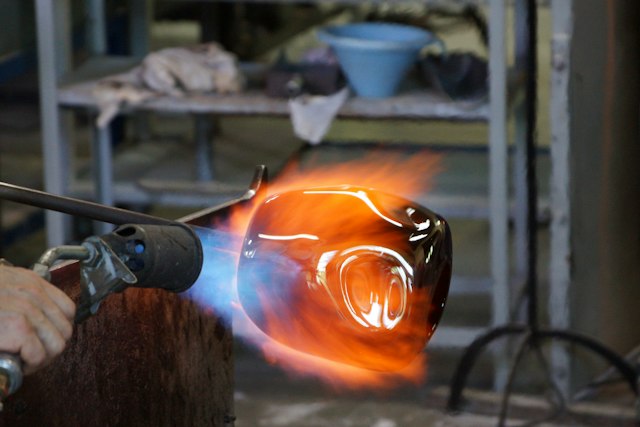
Artist working with a torch at a bench

In Denver’s RiNo arts district, glass artist Matt Selbovitz, known as Elbo, opened a shop with a working glass studio inside, so visitors can watch pieces being made at the torch. Westword reported his signature dinosaur pipes selling for about $10,000 to $15,000, with collaborations with other artists reaching $25,000 to $50,000 or more.

Elbo was also frank about the market. He told Westword that prices for lesser-known artists had fallen and drew a direct line between cannabis prices and glass prices. Shoppers have become more educated, he said, and won’t overpay.

YENology, St. Louis area

Boutiques aren’t only a coastal trend. In January 2024, attorney Sarah Glasser opened YENology in Frontenac, Missouri, a suburb of St. Louis. Missouri Green Way described it as a smoking accessory and luxury home goods boutique built around peace and wellbeing, carrying handmade pottery and one-of-a-kind artwork along with accessories from brands such as GRAV and Edie Parker.

The design crowd joins in

Fashion retail has noticed too. The Los Angeles retailer Ron Herman opened a pop-up for Seth Rogen’s Houseplant accessories line at its Melrose store, according to a 2023 StyleSpotting post, treating ashtrays and table lighters as home decor in their own right.

Why boutiques are spreading now

City street with string lights overhead
  • Legalization moved cannabis into the open. In adult-use states, shops no longer need to pretend a pipe is for tobacco, which frees them to design for the products they actually sell.
  • Accessories became a lifestyle category. Ceramic pipes, designer ashtrays and stash boxes are now sold as home goods and gifts, not just tools.
  • Heady glass found collectors. Artist-made glass is bought and displayed like any other art, which rewards shops that act like galleries.
  • New shoppers arrived. Legal markets brought in people who were never comfortable in a traditional head shop and want somewhere welcoming to start.
  • Landlords followed the money. Upscale markets and shopping centers were willing to lease to well-designed shops once legal cannabis became mainstream retail.

The other side: too many smoke shops

The rise of the boutique is happening at the same time as a backlash against the ordinary smoke shop, and the two are easy to confuse.

In New York City, officials estimated in 2024 that about 2,900 unlicensed vendors were operating, many of them selling cannabis illegally from storefronts that called themselves smoke shops, compared with around 60 licensed dispensaries. After the state gave local authorities new padlocking powers that April, the city closed about 700 stores in roughly four months, according to the Associated Press via FOX 5 New York.

Los Angeles faces a related problem with tobacco and vape retailers. The city has more than 3,000 licensed tobacco retailers, and nearly half its public schools have one within 500 feet, according to Councilmember Tim McOsker. In July 2026 the City Council approved a temporary moratorium on new smoke and vape shops in his harbor-area district while permanent rules are written.

For boutique owners, that backlash is a reason to stand apart. A well-run shop is licensed, checks ID, is clear about what it sells and fits into the neighborhood. In cities that are trying to thin out problem shops, those things matter.

What boutique pieces cost

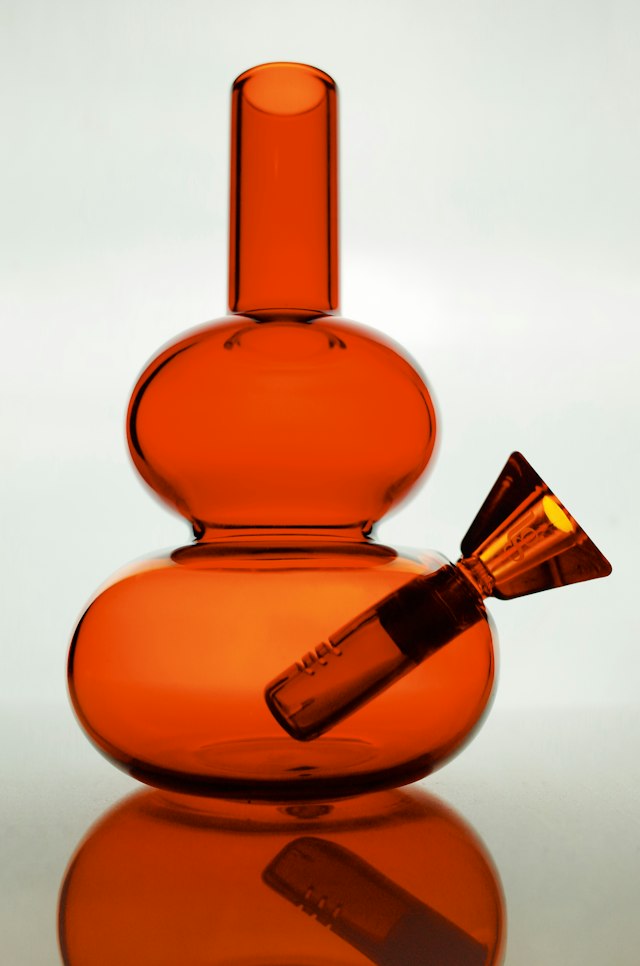
Orange glass water pipe on a white background

Prices vary enormously. These examples come from the shops above and are a guide to the range, not a price list.

ItemExample priceWhere it was reported
Glass spoon pipeAbout $40Higher Standards, Atlanta
Designer tray or ceramic canisterAbout $98Higher Standards, Atlanta
Artist rainbow bubblerAbout $1,000Higher Standards, Atlanta
Limited-edition artist pipeAbout $1,500The Cupboard, Cincinnati
Signature heady glass piece$10,000 to $15,000Elbo Store, Denver
Artist collaboration$25,000 to $50,000 or moreElbo Store, Denver

How to spot a good boutique smoke shop

  • They check ID. A reputable shop sells only to adults 21 and older and asks every time.
  • They sell accessories, not unlicensed cannabis. In most states only licensed dispensaries can sell THC products. A smoke shop selling flower or vapes over the counter is a red flag. Find licensed shops in our Dispensaries by State directory.
  • They know their glass. Staff should be able to tell you who made a piece, what it is made of and how to care for it.
  • Prices are clear. Look for marked prices, receipts and a stated return policy, especially for expensive pieces.
  • They respect the neighborhood. Good shops don’t market to kids or fill windows with flashy vape ads.
  • They help with care. Ask about cleaning. Good glass deserves it, and our guide on How to Clean Your Bong covers the basics.

Wrapping Up with Key Insights

The boutique smoke shop is what happens when a long-hidden business is finally allowed to be seen. It borrows from art galleries, design stores and coffee shops, and it treats glass, ceramics and accessories as objects worth displaying. At the same time, cities are clamping down on the flood of ordinary smoke shops, which makes a licensed, well-run boutique stand out even more.

If you’re shopping for a first good piece, take your time, ask about the artist and buy something you’ll enjoy looking at. Then learn to use it well with How To Smoke From A Bong, and pair it with something worth smoking from The Evolution of Craft Flower.

Keep reading: A Beginner’s Guide to Exploring Modern Consumption Lounges and Top Dispensaries Worth Visiting on Your Next Cross-Country Trip. And remember that cannabis can’t legally travel across state lines; see our guide to interstate cannabis laws.

This article is general information for adults 21 and older. Shops profiled here are drawn from published coverage, some from earlier years, and may have changed or closed. Confirm details before you visit. We have no commercial relationship with the businesses named.

Sources