

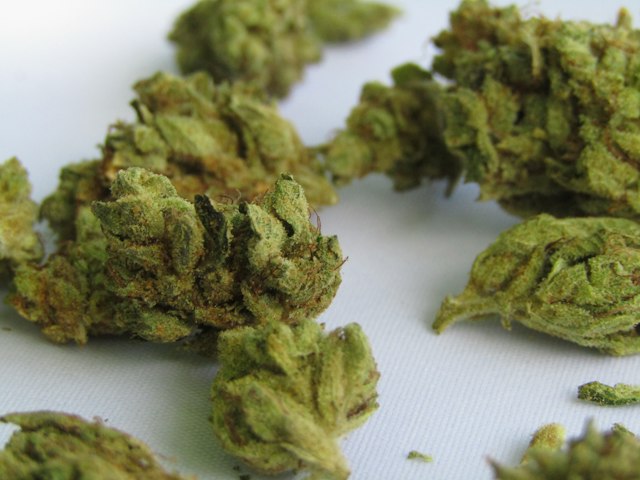
Open a jar of good flower and the first thing you notice isn’t the THC. It’s the smell: lemon peel, pine sap, black pepper, ripe mango. Those aromas come from terpenes, and they are the reason two strains with the same THC number can feel like different experiences. This guide explains what terpenes are, what the research does and doesn’t support, and how to use your nose to choose flower that fits your morning, afternoon or evening.
One thing up front. Most of what you’ll read about terpene effects comes from lab and animal studies, not human trials. We’ll flag which claims have human evidence behind them and which are still educated guesses.
What terpenes are
Terpenes are aromatic compounds that plants make to attract pollinators and discourage pests. They are what make a lemon smell like a lemon and a pine forest smell like a pine forest. In cannabis they are produced in the trichomes, the tiny resin glands that coat the flower. Leafly’s terpene guide counts more than 150 types in the plant, though only a handful show up in meaningful amounts.
They aren’t the same thing as cannabinoids. THC is what gets you high. Terpenes shape the smell and taste, and they may adjust how that high feels. The idea that the plant’s compounds work better together than alone is called the entourage effect. It is plausible and widely repeated, and the science is still catching up to it.
THC decides how far you go. Terpenes may help decide what the ride feels like.
Six terpenes worth knowing
| Terpene | Smells like | Also found in | Reputation |
|---|---|---|---|
| Myrcene | Earthy, musky, herbal | Mango, hops, lemongrass | Heavy and relaxing |
| Limonene | Lemon and orange peel | Citrus rinds, ginger | Bright and uplifting |
| Caryophyllene | Black pepper, spice | Black pepper, cloves, rosemary | Warm and soothing |
| Linalool | Floral, lavender | Lavender, sweet basil | Calming |
| Pinene | Fresh pine | Pine needles, rosemary, juniper | Clear and alert |
| Terpinolene | Fruity, floral, herbal | Lilac, nutmeg, apples | Lively |
The last column is reputation, not proof. Here is what stands behind each one.
Myrcene

Myrcene is the terpene most often found at high levels in commercial cannabis. It smells earthy and musky with a faint sweetness, and it also occurs in mangoes, hops and lemongrass. Consumers have long linked myrcene-heavy flower with a heavy, couch-bound feeling.
- What research says: lab work points to anti-inflammatory activity, including a cell-culture study on osteoarthritis. The sedative reputation rests mostly on tradition and animal data.
- When people reach for it: evenings and slow weekends.
Limonene
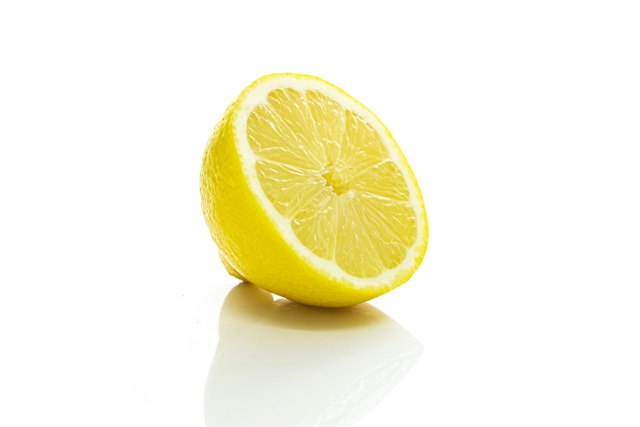
Limonene smells like citrus rind because it is the main aromatic compound in citrus rind. It has the strongest human evidence of any cannabis terpene. In a 2024 study reported by Johns Hopkins Medicine, 20 healthy adults inhaled vaporized THC alone or with d-limonene. Adding limonene significantly reduced the anxiety participants reported from THC, and the effect grew with the limonene dose, without dulling the high.
- What research says: promising, with caveats. The study was small, involved only young healthy adults, tested inhalation only and relied on self-reports. The researchers are planning larger trials.
- When people reach for it: daytime, social settings and creative work.
Caryophyllene
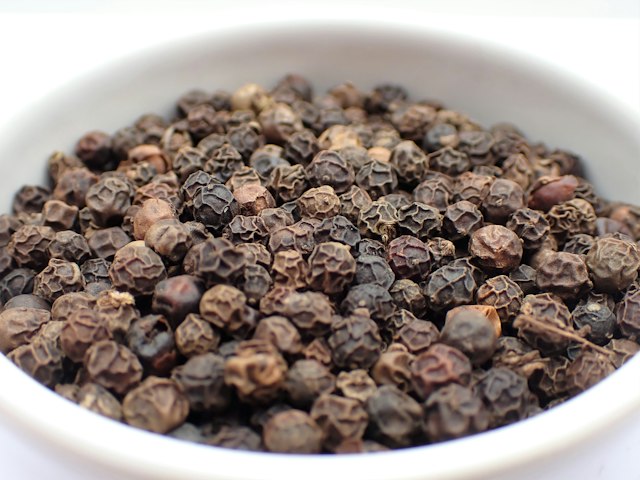
If a strain makes your nose tingle like fresh-cracked pepper, that’s caryophyllene. It is found in black pepper, cloves, rosemary and oregano. It is unusual among terpenes because it binds directly to the CB2 receptor, part of the body’s own cannabinoid system that is tied to immune response instead of intoxication.
- What research says: early studies have looked at inflammation, anxiety and mood. The work is preclinical.
- When people reach for it: after exercise or at the end of a long day.
Linalool

Linalool is the floral note in lavender, and people have used lavender to wind down for centuries. In cannabis it usually appears in smaller amounts, adding a soft, perfumed edge. A 2021 review in Frontiers in Psychiatry found calming and neuroprotective effects in rodent and cell studies, and noted that well-designed human trials are lacking.
- What research says: consistent results in animals, very little in people.
- When people reach for it: the hour before bed.
Pinene

Pinene smells exactly like its name. It is the most common terpene in the plant world, found in pine needles, rosemary, juniper and frankincense. Among consumers it has a reputation for a clear-headed high, and some say it offsets the foggy short-term memory that THC can cause.
- What research says: the same Frontiers review lists anti-inflammatory and anti-anxiety effects in rodents and lab studies. No human trials have tested the memory claim.
- When people reach for it: hikes, chores and anything that needs focus.
Terpinolene
Terpinolene is the hardest to pin down: a little fruity, a little floral, a little herbal. It occurs in lilacs, nutmeg, cumin and apples. It is the least common of the six as a dominant terpene, but strains that have it tend to stand out. A University of Colorado Boulder analysis of nearly 90,000 samples found that commercial cannabis falls into three broad chemical groups, and one of them is defined by terpinolene and myrcene.
- What research says: lab studies show antimicrobial activity. Effects on mood are anecdotal.
- When people reach for it: mornings and daytime, where fans describe it as lively.
Why terpenes tell you more than indica or sativa
For years the shortcut was simple: indica for night, sativa for day. The chemistry doesn’t back it up. The Colorado study, published in PLOS One, covered products from six states and found that indica, sativa and hybrid labels do not consistently match what is in the jar. A sample labeled indica can have a terpene profile indistinguishable from one labeled sativa.
What the researchers found instead were three clusters: flower high in caryophyllene and limonene, flower high in myrcene and pinene, and flower high in terpinolene and myrcene. Strain names weren’t fully reliable either. Some were consistent from grower to grower and others varied widely. The authors recommended labels that work like a nutrition panel, listing THC, CBD and terpenes.
Until that happens, the terpene line on the label and your own nose are better guides than the category on the shelf tag.
Matching terpenes to your day
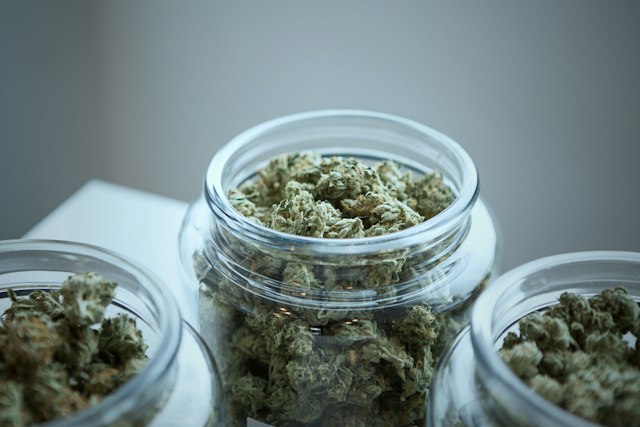
Treat this as a starting point for your own experiments, not a prescription. Dose, tolerance, setting and THC content all matter more than any single terpene.
| Time of day | What you might want | Terpenes people reach for | Aromas to sniff for |
|---|---|---|---|
| Morning | Light and alert, without the fog | Pinene, terpinolene, limonene | Pine, citrus, fresh herbs |
| Afternoon | Good mood, still functional | Limonene, caryophyllene | Lemon, orange, pepper |
| After a workout | Ease and recovery | Caryophyllene, myrcene | Pepper, cloves, earth |
| Evening | Unwind and slow down | Myrcene, linalool | Musk, mango, lavender |
| Bedtime | Calm before sleep | Linalool, myrcene | Floral, earthy |
For daytime use, keep the dose low. A terpene profile won’t make a large dose of THC feel like a small one.
How to shop and store for terpenes
- Smell before you buy. Where shops allow it, smell the jar. If an aroma appeals to you, that is useful information about what you’ll enjoy.
- Read the lab label. Many states and growers list the top three terpenes and a total percentage. Compare those, not just THC.
- Check the harvest or package date. Terpenes are volatile and fade with time. Fresher flower smells and tastes stronger.
- Keep a simple log. Note the strain, the top terpenes and how you felt. After a few entries your own pattern is worth more than any chart.
- Store it cool, dark and sealed. Heat, light and air strip terpenes. An airtight glass jar in a cupboard works well.
- Go easy on the heat. Terpenes evaporate at lower temperatures than THC burns off. A vaporizer set low keeps more flavor than a flame does. See What Is Vaping.
A few cautions
- Terpenes are not medicine. None of the effects above are approved treatments. Talk to a doctor about anxiety, pain or sleep problems.
- Be wary of added terpenes. Some vape cartridges use terpenes from other plants or synthetic sources at levels far above what occurs in flower. Look for products that state where their terpenes come from.
- Never vape or smoke essential oils. Bottled lavender or citrus oil is not made to be inhaled this way.
- Don’t drive. A clear-headed terpene profile doesn’t make you less impaired.
Wrapping Up with Key Insights
Terpenes are the reason cannabis has a personality. The research on what they do in people is young, with one solid human study on limonene and a long list of promising lab results. That is enough to justify paying attention, and not enough to justify big promises.
The practical takeaway is simple. Stop shopping by THC percentage and indica or sativa alone. Smell the flower, read the terpene line on the label, keep track of what you like, and build your own map of morning, afternoon and evening.
Keep reading: The Evolution of Craft Flower: Small Batch Growers to Watch, Top Dispensaries Worth Visiting on Your Next Cross-Country Trip and A Beginner’s Guide to Exploring Modern Consumption Lounges.
This article is general information for adults 21 and older and is not medical advice. Research on cannabis terpenes is at an early stage and individual responses vary.
Sources
- Terpenes: the flavors of cannabis, Leafly
- Chemical found naturally in cannabis may reduce anxiety-inducing effects of THC, Johns Hopkins Medicine, April 2024
- News release on the PLOS One study of cannabis labels and chemical content, University of Colorado Boulder, May 2022
- A review of the potential use of pinene and linalool as terpene-based medicines for brain health, Frontiers in Psychiatry, 2021